
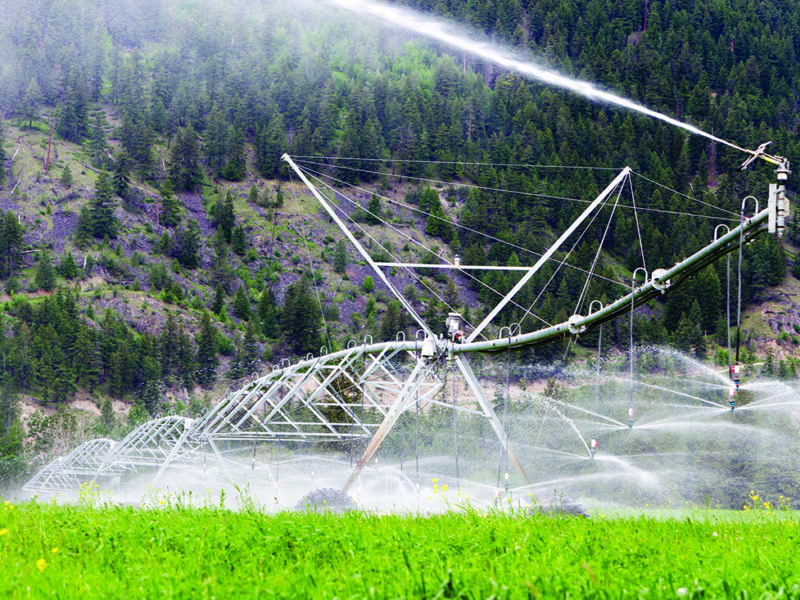
The province says it listened to local growers when it shut down forage irrigation in the Salmon River and Bessette Creek watersheds on September 8, but producers say they were blindsided.
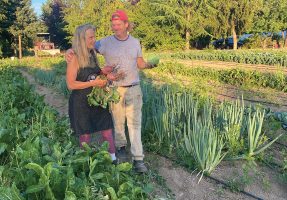
“We did not receive any direct communication from [Water, Land and Resource Stewardship] staff that this was about to happen,” says Andrea van Iterson of Westwold View Farms in the Salmon River watershed. “They have all our emails, particularly those of us on the drought committee who are there to liaison with the community. [But] we heard about it in the media.”
The temporary protection orders (TPOs), under Section 88 of the Water Sustainability Act, affect 397 licensees in the Salmon River watershed and 112 licensees in the Bessette Creek watershed. Both watersheds were previously impacted by orders in 2023 and 2021.
Van Iterson says the orders undermine the trust built with community members over the past two years, following the heavy-handed enforcement of the last TPO in 2023.
“It just feels like an overreach of power that doesn’t need to be there,” she says. “We just had our weekly drought meeting and we told them everybody has finished their irrigation for the year. … A TPO now would be an absolute waste of everybody’s time and in poor faith.”
Van Iterson isn’t sure how that message failed to reach senior government staff.
BC Minister of Water, Land and Resource Stewardship Randene Neill told Country Life in BC during a media briefing minutes after the orders were issued that the province had learned from its past missteps.
“What we’ve really learned is that communication is key, and the province can’t just decide to unilaterally issue these orders without working with farmers and industry and cattle ranchers,” she said. “We reached out to many of the farmers, we reached out to BC Cattlemen’s Association. … We talked to the farmers, let them know what was happening.”
Neill claims many farmers had “voluntarily stopped irrigating because they knew the water levels were low,” but says representatives of the federal government and First Nations requested the TPOs.
Neill doesn’t expect the orders to be in place for long, but Connie Chapman, executive director of the Water Management Branch, says compliance is mandatory regardless of whether or not licensees receive a notice in the mail.
“We are hopeful people will voluntarily listen to this order,” she says. “If compliance is not met, then that is when Natural Resource officers or other compliance individuals would undertake the necessary investigations.”
Consequences could include administrative monetary penalties or fines.
With files from Peter Mitham
All content on this website is copyrighted, and cannot be republished or reproduced without permission.

 ALC rejects Cowichan dike removal