
• Menu
  • Skip to primary navigation
  • Skip to main content
  • Skip to primary sidebar

Country Life In BC Logo

The agricultural news source in British Columbia since 1915

  • Headlines
  • Calendar
  • Subscribe
  • Advertise
  • About
  • Archives
  • Contact
  • Search
  • Headlines
  • Calendar
  • Subscribe
  • Advertise
  • About
  • Archives
  • Contact
  • Search

Primary Sidebar

Originally published:

June 2017
Vol. 103 Issue 6

Subscribe Now!

Sign up for free weekly FARM NEWS UPDATES

Select list(s) to subscribe to


By submitting this form, you are consenting to receive marketing emails from: Country Life in BC. You can revoke your consent to receive emails at any time by using the SafeUnsubscribe® link, found at the bottom of every email. Emails are serviced by Constant Contact
Your information will not be
shared or sold ever

Stories In This Edition

Vancouver tops BC in farm growth

Accident claims safety advocate

In Good Hands

Rain’s a pain, farmers say

Editorial: Fresh start

Back Forty: Census offers reality check

Viewpoint: Ranchers work ‘dam’ hard for public’s benefit

Agriculture council pledges to work with parties

Pork industry optimitic despite lean times

Vegetable commission priotizies trust, integrity

Fairs reach out-of-court settlement

Richmond sets large limit on farmhouse size

Drones promise to scare birds for berry growers

Small farm expo postponed

Ranchers resist expanding public roaming rights

Letter: Seasonal farm workers find

Canada a second home

Letter: Right to roam wrong

A national voice for greenhouse growers

Hothouse growers reduce risk with IPM strategies

Sidebar: Biocontrols cut costs

Training pregps advisors for growing demand

Hop growers hepped up about future

Controlling hop-loving pests necessary evil

YA mark five years of support small-scale ag

Wise Earth tracks numbers to plant savvy, sell smart

A wise approach to leases, labour and local

Garlic co-op pitched as supply, appetite expands

BC’s climate makes hardneck garlic a viable route

Northern athlete dives into beef marketing

Abattoirs target food safety, labour shortage

Volatile beef market raises questions, few answers

BC feedlot sector prepares cattle disease emergency plan

Drones ride a sky-high range in search of cattle

Spring fling connects sponsors with classroom outreach

Better management underpins farm improvement

Small farmers make it work in Alberni Valley

BCYF tour highlights fish and dairy management

4-H members on the quest for a future with food

Program delivery underway

Wannabe – All things big and small

Woodshed: How Henderson came to be at the end of his rope

Jude’s Kitchen: Summer patio treats

More Headlines

Follow us on Facebook

Comments Box SVG iconsUsed for the like, share, comment, and reaction icons

7 days ago

... See MoreSee Less

View Comments
  • Likes: 4
  • Shares: 0
  • Comments: 0

Comment on Facebook

7 days ago

On the last day of the BC Organic Conference, Thursday, Molly Thurston of Pearl Agricultural Consulting helped growers learn how to manage bugs such as codling moth, wireworm, and rootworm in organic growing systems. Her talk alongside Renee Prasad included hands-on activities in which participants checked out various traps and examined pests under microscopes. Be sure to look for more upcoming ag events on our online calendar at www.countrylifeinbc.com/calendar/

#BCAg
... See MoreSee Less

On the last day of the BC Organic Conference, Thursday, Molly Thurston of Pearl Agricultural Consulting helped growers learn how to manage bugs such as codling moth, wireworm, and rootworm in organic growing systems. Her talk alongside Renee Prasad included hands-on activities in which participants checked out various traps and examined pests under microscopes. Be sure to look for more upcoming ag events on our online calendar at www.countrylifeinbc.com/calendar/

#BCAg
View Comments
  • Likes: 15
  • Shares: 0
  • Comments: 0

Comment on Facebook

1 week ago

Well-known organic farmer and podcaster Jordan Marr gets interviewed by Country Life in BC’s own columnist and potato mavin Anna Helmer during the opening session of the BC Organic Conference at Harrison Hot Springs yesterday. Sessions run today (Wednesday) and Thursday and include organic and regenerative growing practices and expanding and advocating for the organic sector, all under the background of the newly launched Organic BC banner.

#BCAg
... See MoreSee Less

Well-known organic farmer and podcaster Jordan Marr gets interviewed by Country Life in BC’s own columnist and potato mavin Anna Helmer during the opening session of the BC Organic Conference at Harrison Hot Springs yesterday. Sessions run today (Wednesday) and Thursday and include organic and regenerative growing practices and expanding and advocating for the organic sector, all under the background of the newly launched Organic BC banner.

#BCAg
View Comments
  • Likes: 37
  • Shares: 2
  • Comments: 1

Comment on Facebook

Interested in finding out more about this

3 weeks ago

Today, we remember those who sacrificed their lives or their well-being for our freedom. Lest we forget. ... See MoreSee Less

Today, we remember those who sacrificed their lives or their well-being for our freedom. Lest we forget.
View Comments
  • Likes: 8
  • Shares: 0
  • Comments: 0

Comment on Facebook

1 month ago

FarmFolk CItyFolk is hosting its biennial BC Seed Gathering in Harrison Hot Springs November 27 and 28. Farmers, gardeners and seed advocates are invited to learn more about seed through topics like growing perennial vegetables for seed, advances in seed breeding for crop resilience, seed production as a whole and much more. David Catzel, BC Seed Security program manager with FF/CF will talk about how the Citizen Seed Trail program is helping advance seed development in BC. Expect newcomers, experts and seed-curious individuals to talk about how seed saving is a necessity for food security. ... See MoreSee Less

Link thumbnail

BC Seed Gathering - FarmFolk CityFolk

farmfolkcityfolk.ca

Save the date for our upcoming 2023 BC Seed Gathering happening this November 3rd and 4th at the Richmond Kwantlen Polytechnic University campus.
View Comments
  • Likes: 1
  • Shares: 0
  • Comments: 0

Comment on Facebook

Subscribe | Advertise

The agricultural news source in British Columbia since 1915
  • Email
  • Facebook

Viewpoint: Ranchers work ‘dam’ hard for the public’s benefit

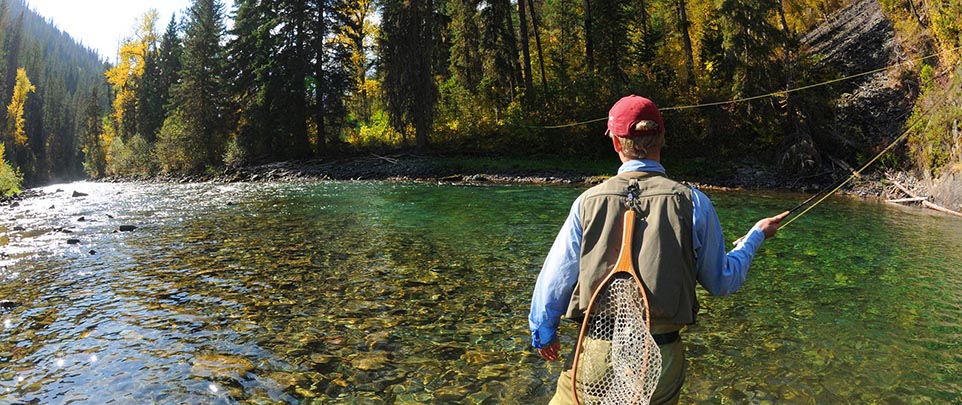
fly fishing near Fernie BC

June 1, 2017 byKevin Boon

The one thing we can be certain about with water is that we will either have too much or not enough!

While we have seen some extreme flooding and overabundance of water flows in the province this spring, we can almost bet that come the heat of the summer, we will have a shortage of it somewhere and very likely it could be on one or more of these same waterways that are flooding now.Flyfishing benefits

This truly accentuates why we have a huge need within this province to store water. Water storage is not about anyone being self-serving or wanting to have control of something; it is all about managing one of our most precious and valuable resources.

Many ranchers throughout the province have built water dams and reservoirs that are critical for the sustainability of their operations. The water storage infrastructure that they have invested in over the past decades is more important now than ever before.

Climate change and the need to adapt to it is something that has taken place for millions of years. Now, however, we have some ability to help ourselves adapt to it and help the process. I see water storage as possibly the most important thing that we can do to help us adapt to these changes. This is not only essential to agriculture but for all of society’s needs.

For those in agriculture, it provides security in knowing that there is a supply of water that will be available to them when it is critical for the growth of crops and watering the livestock. It is about managing that water so that it reduces the impact on other users of the supply and gives them assurance of supply as well.

Recently, the BC Cattlemen’s Association and the BC Ministry of Agriculture commissioned a cost-benefit analysis of agricultural dams in BC. Aside from the benefits to agriculture for irrigation, livestock watering, forage production and as natural range barriers, these dams also benefit society with domestic water supply, sport fishing, habitat protection for wildlife and access to viewing them, fish migration, wildfire suppression and flood mitigation to name a few.

It is my belief that as we develop strategies to help us adapt to climate change, we have to factor in water storage as one of the key opportunities. I believe this storage will be essential to maintain our ability to feed the world as well as have a supply available for everyone’s security. Now is the time to increase our investment in water storage infrastructure.

Establishing value

This all comes at a cost – a cost that many take for granted because they do not realize who is responsible for what they are enjoying. When I fish at places like Tunkwa Lake near Savona, I can’t help but wonder how many of the other fishermen, campers or those who have a cabin or residence on the lake know that it is there because ranchers have made an investment in the building and maintaining of the dam?

As a society, we are thankful for that dam when there is a forest fire and the water is needed to fight the fire, or the ready supply when there is a road construction project requiring water.

BC is blessed with an abundance of water but it doesn’t always come when we need it most. With added investment in storage infrastructure, we can manage flows at critical times – including flooding. This means that when the fish are spawning, we can control the flow so there is enough for them and for the farmer who needs to irrigate his crops. Managing the flow through water storage would dramatically reduce the need to impose water restrictions at critical times for agriculture while helping the survival of the fish.

We must do a better job of informing society about what the grassroot producers in this province do as stewards of our land and environment. We need the public to understand how critical it is for society to share in the cost of the investment. Their responsibility has to go beyond creating regulations and understand the importance of what we do in building this storage.

The biggest job we have now is making sure we tell those who are not directly involved in agriculture what we do. By telling our story, I hope we will gain their trust and ensure we have the social license needed to be able to use all the tools we require to continue supplying them with the best and safest food in the world.

Kevin Boon is general manager of the BC Cattlemen’s Association.
Related Posts

You may be interested in these posts from the same category.

Previous Post: « Richmond sets large limit on farmhouse size
Next Post: Accident claims safety advocate »

Copyright © 2025 Country Life in BC · All Rights Reserved