• Menu
  • Skip to primary navigation
  • Skip to main content
  • Skip to primary sidebar

Country Life In BC Logo

The agricultural news source in British Columbia since 1915

  • Headlines
  • Calendar
  • Subscribe
  • Advertise
  • About
  • Archives
  • Contact
  • Search
  • Headlines
  • Calendar
  • Subscribe
  • Advertise
  • About
  • Archives
  • Contact
  • Search

Primary Sidebar

Current Issue:

DECEMBER 2025
Vol. 111 Issue 11

Subscribe Now!

Sign up for free weekly FARM NEWS UPDATES

Select list(s) to subscribe to


By submitting this form, you are consenting to receive marketing emails from: Country Life in BC. You can revoke your consent to receive emails at any time by using the SafeUnsubscribe® link, found at the bottom of every email. Emails are serviced by Constant Contact
Your information will not be
shared or sold ever

Follow us on Facebook

Comments Box SVG iconsUsed for the like, share, comment, and reaction icons

6 days ago

... See MoreSee Less

View Comments
  • Likes: 4
  • Shares: 0
  • Comments: 0

Comment on Facebook

7 days ago

On the last day of the BC Organic Conference, Thursday, Molly Thurston of Pearl Agricultural Consulting helped growers learn how to manage bugs such as codling moth, wireworm, and rootworm in organic growing systems. Her talk alongside Renee Prasad included hands-on activities in which participants checked out various traps and examined pests under microscopes. Be sure to look for more upcoming ag events on our online calendar at www.countrylifeinbc.com/calendar/

#BCAg
... See MoreSee Less

On the last day of the BC Organic Conference, Thursday, Molly Thurston of Pearl Agricultural Consulting helped growers learn how to manage bugs such as codling moth, wireworm, and rootworm in organic growing systems. Her talk alongside Renee Prasad included hands-on activities in which participants checked out various traps and examined pests under microscopes. Be sure to look for more upcoming ag events on our online calendar at www.countrylifeinbc.com/calendar/

#BCAg
View Comments
  • Likes: 15
  • Shares: 0
  • Comments: 0

Comment on Facebook

1 week ago

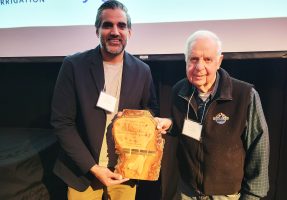
Well-known organic farmer and podcaster Jordan Marr gets interviewed by Country Life in BC’s own columnist and potato mavin Anna Helmer during the opening session of the BC Organic Conference at Harrison Hot Springs yesterday. Sessions run today (Wednesday) and Thursday and include organic and regenerative growing practices and expanding and advocating for the organic sector, all under the background of the newly launched Organic BC banner.

#BCAg
... See MoreSee Less

Well-known organic farmer and podcaster Jordan Marr gets interviewed by Country Life in BC’s own columnist and potato mavin Anna Helmer during the opening session of the BC Organic Conference at Harrison Hot Springs yesterday. Sessions run today (Wednesday) and Thursday and include organic and regenerative growing practices and expanding and advocating for the organic sector, all under the background of the newly launched Organic BC banner.

#BCAg
View Comments
  • Likes: 37
  • Shares: 2
  • Comments: 1

Comment on Facebook

Interested in finding out more about this

3 weeks ago

Today, we remember those who sacrificed their lives or their well-being for our freedom. Lest we forget. ... See MoreSee Less

Today, we remember those who sacrificed their lives or their well-being for our freedom. Lest we forget.
View Comments
  • Likes: 8
  • Shares: 0
  • Comments: 0

Comment on Facebook

1 month ago

FarmFolk CItyFolk is hosting its biennial BC Seed Gathering in Harrison Hot Springs November 27 and 28. Farmers, gardeners and seed advocates are invited to learn more about seed through topics like growing perennial vegetables for seed, advances in seed breeding for crop resilience, seed production as a whole and much more. David Catzel, BC Seed Security program manager with FF/CF will talk about how the Citizen Seed Trail program is helping advance seed development in BC. Expect newcomers, experts and seed-curious individuals to talk about how seed saving is a necessity for food security. ... See MoreSee Less

Link thumbnail

BC Seed Gathering - FarmFolk CityFolk

farmfolkcityfolk.ca

Save the date for our upcoming 2023 BC Seed Gathering happening this November 3rd and 4th at the Richmond Kwantlen Polytechnic University campus.
View Comments
  • Likes: 1
  • Shares: 0
  • Comments: 0

Comment on Facebook

Subscribe | Advertise

The agricultural news source in British Columbia since 1915
  • Email
  • Facebook

Canada at “negligible risk” for BSE

June 2, 2021 byKate Ayers

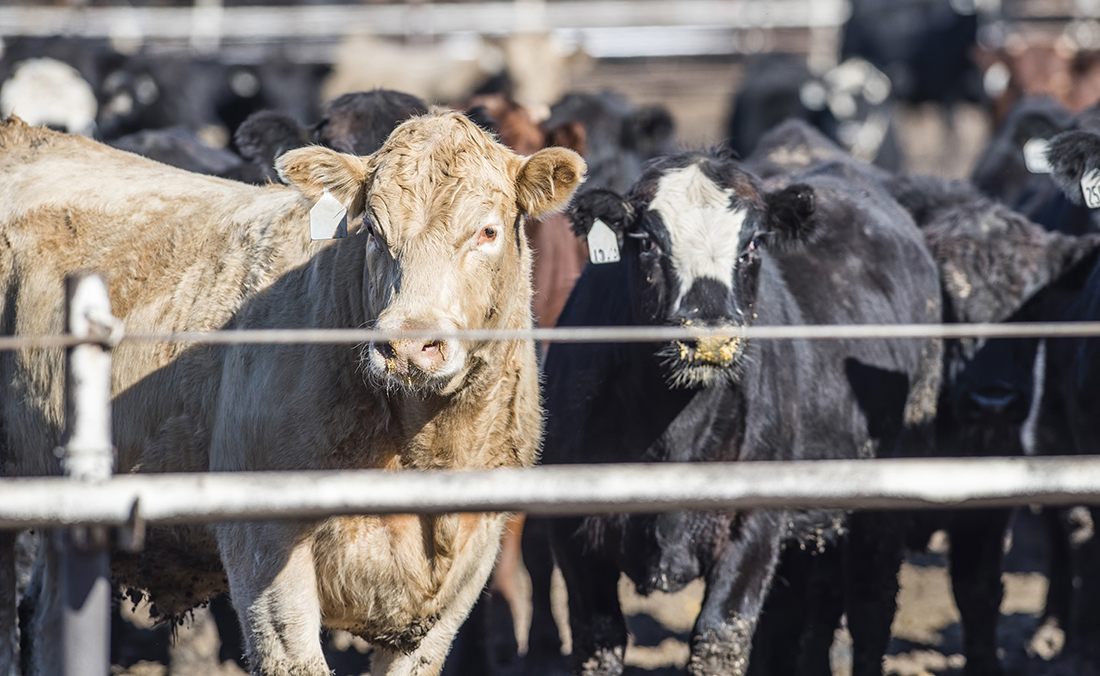
Canada now holds negligible risk status for Bovine Spongiform Encephalopathy (BSE), delegates to the World Organisation for Animal Health (OIE) general session decided May 27.

The shift to the lowest level of risk for transmission of BSE makes Canada eligible for expanded access to foreign markets for more beef products, previously limited by BSE-era restrictions.

“We were in a difficult position to be competitive with other countries that were not dealing with BSE,” says BC Cattlemen’s Association general manager Kevin Boon. “This (designation) puts us back on an even keel with other exporting countries and it opens up the products that we can market around the world that we couldn’t before.”

For example, producers will be able to market more specified risk material.

“It has a lot of potential for us to capitalize and put more dollars per animal back into the pocket of beef producers,” says Boon.

Negligible risk status will also allow processing plants to align their requirements with those of international players. BSE created additional requirements for the Canadian processing sector, which put plants at an economic disadvantage compared to others in the global marketplace, notes the Canadian Cattlemen’s Association.

The development comes 18 years since Canada reported its first case of BSE in May 2003, a discovery that closed international markets to producers.

Many groups played a role to achieve this designation and help Canada’s beef sector weather this storm, including farmers and ranchers, the government, veterinarians and consumers.

“The cattle industry has been hit hard by (BSE), but we would not have come through it in the shape we did if it was not for the Canadian consumer,” says Boon. “They got behind us and showed their trust in the safety of our products … by increasing Canadian beef consumption. It shows the value of buying local. I cannot stress enough how important our consumer was to help our industry survive.”

While Canada developed some markets by exceeding special criteria for beef production and processing, the sector experienced losses of close to $5.5 billion between 2003 and 2006. In addition, the sector lost 26,000 producers between 2006 and 2011.

Canada reported its last case of BSE in an animal born more than 11 years ago. This, combined with demonstrating effective control and surveillance measures, gave OIE delegates confidence to grant Canada negligible risk status.
 

Related Posts

You may be interested in these posts from the same category.

Breathing new life into historic ranches

Province lacks reconciliation roadmap: ranchers

Cowichan title decision creates uncertainty

Crown land conflicts reveal policy gaps

Beef herd drops

Feed available but stocks low

BC Cherry holds AGM

Land Act changes deferred

Land Act firestorm

Dam violations face fines

Rangeland forage allocation studied

Communication critical to solve water issues

Previous Post: « Sector events start growing
Next Post: Beef impact bumps up »

Copyright © 2025 Country Life in BC · All Rights Reserved