
• Menu
  • Skip to primary navigation
  • Skip to main content
  • Skip to primary sidebar

Country Life In BC Logo

The agricultural news source in British Columbia since 1915

  • Headlines
  • Calendar
  • Subscribe
  • Advertise
  • About
  • Archives
  • Contact
  • Search
  • Headlines
  • Calendar
  • Subscribe
  • Advertise
  • About
  • Archives
  • Contact
  • Search

Primary Sidebar

Originally published:

January 2018
Vol. 104 Issue 1

Subscribe Now!

Sign up for free weekly FARM NEWS UPDATES

Select list(s) to subscribe to


By submitting this form, you are consenting to receive marketing emails from: Country Life in BC. You can revoke your consent to receive emails at any time by using the SafeUnsubscribe® link, found at the bottom of every email. Emails are serviced by Constant Contact
Your information will not be
shared or sold ever

Stories In This Edition

Peace will be flooded

Groundwater fee postponed

Standing strong

Sidebar: New year, new treaty

No quick fix for contaminated acquifer

Editorial: Watershed moment

Back 40: To better times ahead: hope is in our DNA

OpEd: BC agriculture needs its foreign workers

Dairy production meeting quota increases

Holstein Breeders celebrate progressive year

National unity a concern for dairy farmers

Producers waiting on FIRB review

Challenges, changes face young farmers

Outstanding effort

Steele steps down as fruit growers’ president

Sidebar: BCFGA adopts new bylaws

Lettuce build

BC to bear brunt of food price increases in 2018

Risk assessment research gets funding boost

New year, new start

Profitability should be to the goal of marketing

Sidebar: Seven deadly sins of (just about any) marketing

Abbotsford hosts AgRefresh open houses

Labour elusive for nursery sector

Ag show celebrates 20 years and growing

Hort course the backbone of show

Sidebar: Public trust workshops

Dairy, innovation expos part of show

Expo starts with tours of diverse dairy operations

Forestry, forage co-exist at demonstration site

Opportunities for Cariboo grass-fed beef

Sustainable success

Sidebar: First grad for ranching program

OYF winners show a willingness to innovate

Research: Space program elevates pot

research to new high

Food recovery benefits livestock farmers

Sidebar: Alternative connections

New objectives come with new WestGen barn

Surrey business group recognizes ag leaders

Greenhouse safety protocols save the day

Goat farmers get behind new dairy association

Sidebar: Dairy goat owners learn from one another

Scrapie eradication possible with certification program

National EFP program still a work in progress

Cutting-edge technology could hold key to varroa mites

Sidebar: What is RNAi?

Community gaming grants open February 1

Wannabe Farmer: Overcoming obstacles

Sweet smell of success on just eight acres

Sidebar: Strength in numbers

Sidebar: Award-winning shift in business

Woodshed Chronicles: Henderson figures any

idiot can drive a tractor

Jude’s Kitchen: Pretty edible

More Headlines

Follow us on Facebook

Comments Box SVG iconsUsed for the like, share, comment, and reaction icons

2 weeks ago

The Canadian Food Inspection Agency is preparing to implement changes to its livestock traceability rules that will include mandatory computer reporting within seven days on movement of animals for veterinary appointments, community pastures, exhibitions, carcass and on-farm disposal and the births and deaths of every animal on your farm. Writer Tom Walker first brought these changes to the attention of our readers back in June 2023. We've posted his story to our website:

www.countrylifeinbc.com/cfia-proposes-traceability-updat#BCAg#BCag
... See MoreSee Less

The Canadian Food Inspection Agency is preparing to implement changes to its livestock traceability rules that will include mandatory computer reporting within seven days on movement of animals for veterinary appointments, community pastures, exhibitions, carcass and on-farm disposal and the births and deaths of every animal on your farm. Writer Tom Walker first brought these changes to the attention of our readers back in June 2023. Weve posted his story to our website: 

https://www.countrylifeinbc.com/cfia-proposes-traceability-updates/

#BCag
View Comments
  • Likes: 11
  • Shares: 21
  • Comments: 15

Comment on Facebook

I love hpw the cow in the picture hasn't even got a RFID tag in it but I digress. We can not read the link, it says "we are not permitted to read drafts". Please post again with the correct link.

Dairy farmers having been doing this several years. The app we use has become quite simple to use

Including equine?

Premise ID was slowly rolled through the country, voluntary then mandatory. Transparency and 'Consultation' has been light. Those who tried to bring this for discussion a couple years ago, because of forseen overreach, were quite often labeled conspiracy theorists and that it wasnt meant to be so heavily regulated and controlled. Gardens and seeds will be next. "Invasive species" reporting, check out the plants medicinal properties. Read the BC intentions papers. The premise ID that already heavy regulated commodities have claims to be treated different in the intentions papers on page 8. www2.gov.bc.ca/assets/gov/farming-natural-resources-and-industry/agriculture-and-seafood/food-saf...

Says i am "not allowed to preview draft".

Also concerning is the part on compliance...they can 'stumble onto' any farm and if you're not complying there are consequences.

When the CFIA stumbles into the wrong place compliance will be met with civil engagement

Says I can't preview draft

This is government overreach - Do Not Comply!

Do not comply

Fu

As if the price of beef isn't bad enough for consumers,,,,,be prepared to be gouged some more now

Ridiculous!!

Let's hold up on the beef exports tell we can get our own house in order... we need to deregulated, cheapen up the supply chain back into a 5 buck a pound rage so the good people canada can eat healthy food.. fuck your bean diets, that's retarded

This, along with the majority of new legislation pertaining to any type of farm, is a blatant squeeze on any sort of small, alternative agricultural venture. I am a massive believer in working together and sharing resources and costs and solutions - do not get me wrong - but this and the water registration among others, is an overreach (at most generous) and an absolute killer to smaller, local initiatives that LITERALLY save lives during extreme events. There is ONE ROAD into and out of my community. We don’t need or want some sort of backlogged government response when shit goes sideways. We want the ability AND SUPPORT to provide for our communities without penalty when things go badly. We want to produce sustainability for our communities. We live here, we work here, we want to STAY HERE. Stop making it harder.

View more comments

3 weeks ago

BC's minimum piece rates for 15 hand-harvested crops increased 2.6% on December 31. Crops include peaches, apricots, brussels sprouts, daffodils, mushrooms, apples, beans, blueberries, cherries, grapes, pears, peas, prune plums, raspberries and strawberries. Farm-worker piece rates in BC were increased by 11.5% in January 2019 and 6.9% in December 2024. BC’s current minimum wage sits at $17.85 per hour.

#BCAg
... See MoreSee Less

BCs minimum piece rates for 15 hand-harvested crops increased 2.6% on December 31. Crops include peaches, apricots, brussels sprouts, daffodils, mushrooms, apples, beans, blueberries, cherries, grapes, pears, peas, prune plums, raspberries and strawberries. Farm-worker piece rates in BC were increased by 11.5% in January 2019 and 6.9% in December 2024. BC’s current minimum wage sits at $17.85 per hour. 

#BCAg
View Comments
  • Likes: 10
  • Shares: 0
  • Comments: 2

Comment on Facebook

I'm not sure what they're telling us. Did peace rates have to increase so that Farm workers could make minimum wage?

They deserve it, but the general public will be whining about increased prices in the stores. Will need to make more information average to the g.p.

3 weeks ago

... See MoreSee Less

View Comments
  • Likes: 14
  • Shares: 0
  • Comments: 1

Comment on Facebook

105 Mile Ranch

4 weeks ago

... See MoreSee Less

View Comments
  • Likes: 7
  • Shares: 0
  • Comments: 0

Comment on Facebook

1 month ago

Water volumes from the Nooksack River are at levels similar to 1990 and 2021, but the province says flows should peak at 10pm tonight. The shorter duration, as well as conditions in other watercourses within the watershed and performance of flood protection infrastructure should avoid a catastrophe on the scale of 2021. However, several landslides mean road closures have once again effectively isolated the Lower Mainland from the rest of the province.

#BCAg
... See MoreSee Less

Water volumes from the Nooksack River are at levels similar to 1990 and 2021, but the province says flows should peak at 10pm tonight. The shorter duration, as well as conditions in other watercourses within the watershed and performance of flood protection infrastructure should avoid a catastrophe on the scale of 2021. However, several landslides mean road closures have once again effectively isolated the Lower Mainland from the rest of the province.

#BCAg
View Comments
  • Likes: 9
  • Shares: 3
  • Comments: 1

Comment on Facebook

Family living in Sumas WA say it's very much like '21. They have the same amount of water in their house as last time.

Subscribe | Advertise

The agricultural news source in British Columbia since 1915
  • Email
  • Facebook

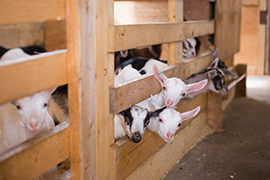
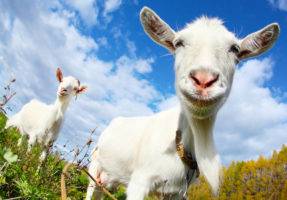
Goat farmers get behind new dairy association

January 1, 2018 byMyrna Stark Leader

United front needed as market for niche milk product grows

CHILLIWACK – Western Canada’s growing appetite for goat milk is sparking plans for a commercial dairy goat association.

The proposal was discussed at the annual meeting of representatives from the 14 farms across BC and Alberta that supply Happy Days Dairies Ltd. in Chilliwack, November 11.

Together, the farms milk more than 6,000 goats. The milk is processed at Happy Days plants in Chilliwack, Salmon Arm and Ponoka, Alberta. The annual meetings give producers a chance to discuss pricing, common challenges, see each other’s farms and contine learning from experts and each other.

“In 2008, we were facing a large over-production that [Happy Days] couldn’t finance on its own,” says Happy Days founder Donat Koller. “This triggered the first meeting with myself and all the farmers to find a solution to the problem and, ever since, we meet once a year to discuss issues.”

Koller says that as business operations became smoother, the meetings added an educational component to help producers build upon what had been accomplished.

Run by Koller, Happy Days began milking 70 goats in 1993 and processing the milk itself. Today, it’s the largest goat milk processor in Western Canada, processing 3.6 million litres in 2017 and on track for 3.8 million litres in 2018.

Goat milk has been increasing in popularity because it’s easier to digest for the lactose-intolerant and changing demographics mean Canada is home to more people who grew up with goats and are used to consuming the milk.

United front

The idea of a commercial dairy goat association for producers in BC and Alberta makes sense for the developing sector, says Merel Voth, who with her husband Barrie operates Hillside Dreams Goat Dairy near Salmon Arm.

The couple have raised dairy goats for four years and see a bright future for the sector. Barrie is an advocate of classification for dairy goats, which he believes is fundamental when establishing a well-rounded breeding program.

Similarly, a commercial dairy goat association would present a more credible image of producers as a unified group.

“They are all external indicators of strength,” explains Merel of the two initiatives.

Merel, 33, is a mother of two and a part-time social worker in addition to managing the farm. She birthed the association idea partly inspired by leadership at the October Women In Agriculture Conference in Niagara. Before the Happy Days meeting, she gauged interest by sending out a two-minute online survey. Responses were supportive.

“We have Alberta Goat and different goat associations but those groups tend to be geared toward hobby and lifestyle goat farmers,” she says. “They are not necessarily relevant to commercial dairy. We have different issues and different needs. I think it’s time for us to get up to par with others in the ag industry. If we want to have a united voice and we want to make an impact on the industry, we’re going to have to start hustling a bit.”

Once an association is formally constituted, Voth envisions a two-day annual meeting starting in 2018. The first day would be an association meeting with a business meeting on day two. She has secured $5,000 through the Growing Forward program under the BC Strategic Outreach Initiative Funding Program. The new association would be open to all commercial dairy goat farms in BC and Alberta.

The new association would also host webinars, a distance learning technology Voth is familiar with from her social work. The first is set for January 10. It will feature a two-hour session with Chris Clark, a professor of veterinary medicine at the University of Saskatchewan, regarding disease management and biosecurity in relation to milking.

Broad support

Voth’s efforts have support from other producers.

“We’ve all been in meetings where everyone thinks it’s a tremendous idea but you still need one person to take the initiative to do it,” says Gerald Klok, a 150-dairy goat farmer and cash cropper from north of Lethbridge. “It’s nice to see Merel putting the effort into it because sometimes – we all know how farmers are – sometimes, we just need that little extra push.”

Koller has long encouraged producers to organize but as the processor, he couldn’t be the lead.

“I am very grateful that Merel started the process now. It always needs someone to go ahead. An association will give us a voice and might help get funding,” he says. “Eastern Canada dominates the goat industry and a western association will make us more involved.”

Tom Lesher, who with his wife Karen, milks 250 goats in Lacombe, Alberta in addition to operating a 3,000 head cattle feedlot, said the prospect of regular education sessions for producers is encouraging.

“If we get this set up, it will be an online forum where we can more readily interact with each other giving feedback and getting it as well. We just don’t have the experience that others have in eastern Canada or Holland or Israel where they have more goats,” he says. “We’re just learning.”

While she’s hopeful about the association, Voth is also realistic.

“Some people approached us to say they really want to move this forward. Other people said, ‘Oh, that’s a great idea,’ but it will be really interesting by the time we actually form an association with directors to see how many people are willing to step forward and do a job,” she says.
Related Posts

You may be interested in these posts from the same category.

Metro Vancouver reconsiders targeted grazing

Previous Post: « Hort course the backbone of Pacific Ag Show
Next Post: Feedback sought on water regs »

Copyright © 2026 Country Life in BC · All Rights Reserved