• Menu
  • Skip to primary navigation
  • Skip to main content
  • Skip to primary sidebar

Country Life In BC Logo

The agricultural news source in British Columbia since 1915

  • Headlines
  • Calendar
  • Subscribe
  • Advertise
  • About
  • Archives
  • Contact
  • Search
  • Headlines
  • Calendar
  • Subscribe
  • Advertise
  • About
  • Archives
  • Contact
  • Search

Primary Sidebar

Current Issue:

MAY 2026
Vol. 112 Issue 5

Subscribe Now!

Sign up for free weekly FARM NEWS UPDATES

Loading form…

Your information will not be
shared or sold ever

Follow us on Facebook

Comments Box SVG iconsUsed for the like, share, comment, and reaction icons

5 days ago

Canada's mushroom growers will have to post countervailing duties next week following a US Department of Commerce determination that Canada's tax regime effectively subsidized growers, allowing them to cause "material injury" to US growers through their exports. Canada is a major exporter of mushrooms to the US, with the countries effectively operating as a single value chain thanks in part to one of the largest mushroom producers, South Mill Champs, headquartered in Pennsylvania.

#BCAg
... See MoreSee Less

Canadas mushroom growers will have to post countervailing duties next week following a US Department of Commerce determination that Canadas tax regime effectively subsidized growers, allowing them to cause material injury to US growers through their exports. Canada is a major exporter of mushrooms to the US, with the countries effectively operating as a single value chain thanks in part to one of the largest mushroom producers, South Mill Champs, headquartered in Pennsylvania.

#BCAg
View Comments
  • Likes: 2
  • Shares: 2
  • Comments: 0

Comment on Facebook

5 days ago

... See MoreSee Less

View Comments
  • Likes: 5
  • Shares: 0
  • Comments: 0

Comment on Facebook

5 days ago

The Jura Ranch near Princeton sold for nearly $5.3 million on May 12, the largest online ranch sale in BC in months, according to CLHBid.com, which handled the sale. The buyer was not named. Formerly owned by Rob and Kelly Lamoureux, which developed the successful Jura Grassfed brand, the ranch includes 2,625 deeded acres and a grazing licence totalling 83,698 acres. Originally offered at $4.2 million, the competitive bidding process delivered a higher value than the current market would suggest. Farm Credit Canada’s latest farmland value survey pointed to 1.7% decline in BC last year, which observers have attributed to tight margins and uncertainties related to Crown tenure.

#BCAg
... See MoreSee Less

The Jura Ranch near Princeton sold for nearly $5.3 million on May 12, the largest online ranch sale in BC in months, according to CLHBid.com, which handled the sale. The buyer was not named. Formerly owned by Rob and Kelly Lamoureux, which developed the successful Jura Grassfed brand, the ranch includes 2,625 deeded acres and a grazing licence totalling 83,698 acres. Originally offered at $4.2 million, the competitive bidding process delivered a higher value than the current market would suggest. Farm Credit Canada’s latest farmland value survey pointed to 1.7% decline in BC last year, which observers have attributed to tight margins and uncertainties related to Crown tenure.

#BCAg
View Comments
  • Likes: 38
  • Shares: 10
  • Comments: 4

Comment on Facebook

I sure hope it remains as farm land rather than a wind or solar installation.

Great grassland

yeah, who bought it? where are the checks and balances that ensure a ranch can continue being a ranch?

Uncertainty about crown land, aka native land grabs and unceded land claims being tossed around like it wasn't meant to destabilize the country?

7 days ago

American businessmen have quietly accumulated nearly 4,000 acres of farmland in the Robson Valley community of Dunster, sparking calls for restrictions on foreign and corporate agricultural land ownership in BC. Residents say the buy-up has driven population decline and priced out young farmers. MLAs from both parties and a UNBC professor are pointing to Quebec's new farmland protection legislation as a model BC should follo#BCAg#BCAg ... See MoreSee Less

Link thumbnail

Foreign land buyers hollow out Dunster

www.countrylifeinbc.com

DUNSTER – Purchases of swathes of farmland in the Robson Valley by wealthy American businessmen have some in BC demanding restrictions on foreign and corporate ownership of agricultural land.
View Comments
  • Likes: 26
  • Shares: 3
  • Comments: 1

Comment on Facebook

This is a serious issue in Dunster and one that has impacts for wildlife and human neighbours.

7 days ago

Representatives from Quail's Gate Winery Estate Winery in West Kelowna were panellists during the Okanagan Cultivates event held at Okanagan College's Kelowna campus on May 7. The college has been hosting events like this to help elevate conversations in the community about what's grown locally and its impact on the region's food, wine and tourism industry. The Quail's Gate panel, which included Ben Stewart, discussed the long history of grape growing and winemaking in front of a large crowd who came to listen, learn and taste products from a number of local wineries and restaurants. A new $48.8M food, wine and tourism centre is now under construction at the college to open in fall 2027. The building will have modern food labs, a student-led restaurant and café and specialized training spaces for culinary, viticultu#BCAgd tourism studies.

#BCAg
... See MoreSee Less

Representatives from Quails Gate Winery Estate Winery in West Kelowna were panellists during the Okanagan Cultivates event held at Okanagan Colleges Kelowna campus on May 7. The college has been hosting events like this to help elevate conversations in the community about whats grown locally and its impact on the regions food, wine and tourism industry. The Quails Gate panel, which included Ben Stewart, discussed the long history of grape growing and winemaking in front of a large crowd who came to listen, learn and taste products from a number of local wineries and restaurants. A new $48.8M food, wine and tourism centre is now under construction at the college to open in fall 2027. The building will have modern food labs, a student-led restaurant and café and specialized training spaces for culinary, viticulture and tourism studies.

#BCAg
View Comments
  • Likes: 8
  • Shares: 0
  • Comments: 0

Comment on Facebook

Subscribe | Advertise

The agricultural news source in British Columbia since 1915
  • Email
  • Facebook

Meat industry wants action

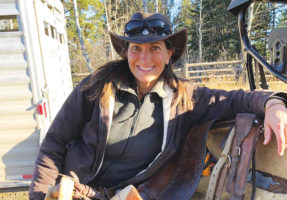
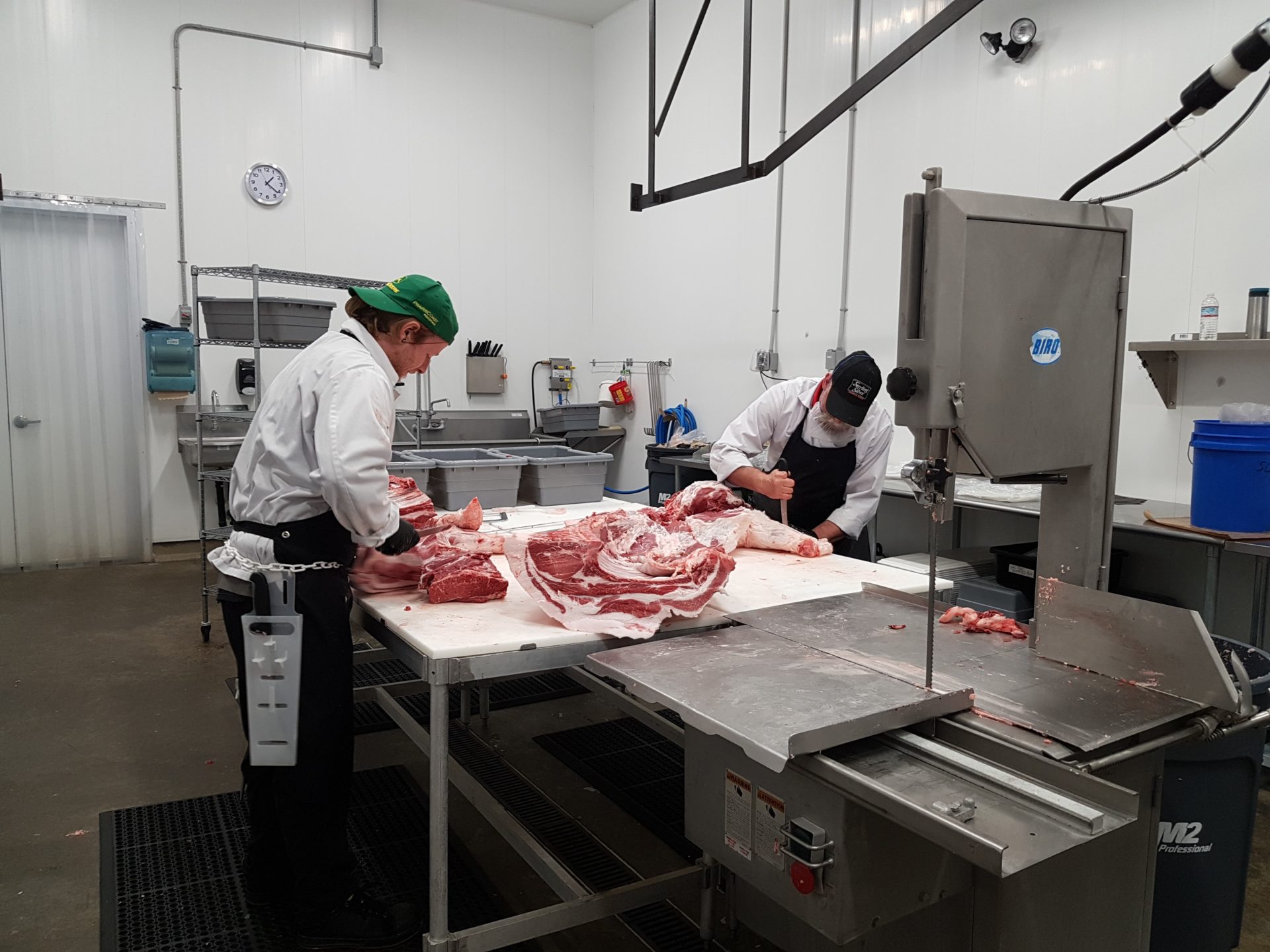
PROBLEM SOLVING Frustrated by how the lack of meat processing capacity in the province was preventing expansion of direct meat sales to their customers, the Devick family built a Class A abattoir on their ranch near Kamloops. [ANITA DEVICK PHOTO]

June 5, 2019 byTom Walker

The province’s claim to be acting on recommendations for strengthening the meat industry is disputed by the BC Association of Abattoirs.

BC agriculture minister Lana Popham has accepted all 21 recommendations of the Select Standing Committee on Agriculture, Fish and Food’s report on local meat production and inspection and is implementing them, the June 3 release said.

Government received the recommendations 10 months ago, and the release claimed that it has already made progress on several fronts, including the allocation of $290,000 for food safety and animal welfare training workshops for rural producers, processors and regional health authority staff.

But that’s not a new initiative, says Nova Woodbury, executive director of the abattoirs association.

“[It] has nothing to do with the Select Standing Committee,” she says. “That training was supposed to have taken place more than five years ago and the money was set aside. They finally released the money last spring following the committee meetings.”

The announcement also touts $148,000 for the association to provide slaughter training, but Woodbury says that money was previously allocated, too.

“I’ve been working to get that going for two and a half years,” says Woodbury.

But the most troubling aspect of the government’s announcement is a claim to have reduced travel time restrictions between an A or B plant and a class E facility to one hour, meaning that more small, local, ‘slaughter only’ facilities can be constructed for direct to consumer sales in their own regional district. Woodbury says this will allow more uninspected facilities to open, in direct competition with the more stringently regulated A & B licensed facilities.

“That’s frightening,” says Woodbury. “I don’t know how a responsible government can enable new facilities to be built without more oversight for humane slaughter, food safety and traceability. It is unacceptable to our members.”

Woodbury would like the agriculture ministry to oversee all meat inspection, a move that would address five of the standing committee’s recommendations.

The ministry also says it’s seeking public input on new Class D licence regions “to help alleviate regional or sub-regional slaughter capacity challenges and increase local livestock production.” However, it received a separate report on Class D & E licensed facilities a year ago and has yet to implement it.

All content on this website is copyrighted, and cannot be republished or reproduced without permission.
Related Posts

You may be interested in these posts from the same category.

New licences, new inspections

BC abattoir volume up 30% in 2020

Province reveals abattoir changes

SlaughterRight training launched by ag ministry

Rural recovery funds agriculture

Meat producers frustrated by consultations

Abattoir association calls for action

Closures underscore need for licensing reform

Rethinking the concept for mobile abattoirs

Industry mourns abattoir champion

Island farmers renew request for local abattoir

Meat inspection budget tightens

Previous Post: « No changes to Bill 15
Next Post: BC hop industry matures »

© 2026 COUNTRY LIFE IN BC - ALL RIGHTS RESERVED