• Menu
  • Skip to primary navigation
  • Skip to main content
  • Skip to primary sidebar

Country Life In BC Logo

The agricultural news source in British Columbia since 1915

  • Headlines
  • Calendar
  • Subscribe
  • Advertise
  • About
  • Archives
  • Contact
  • Search
  • Headlines
  • Calendar
  • Subscribe
  • Advertise
  • About
  • Archives
  • Contact
  • Search

Primary Sidebar

Current Issue:

DECEMBER 2025
Vol. 111 Issue 11

Subscribe Now!

Sign up for free weekly FARM NEWS UPDATES

Select list(s) to subscribe to


By submitting this form, you are consenting to receive marketing emails from: Country Life in BC. You can revoke your consent to receive emails at any time by using the SafeUnsubscribe® link, found at the bottom of every email. Emails are serviced by Constant Contact
Your information will not be
shared or sold ever

Follow us on Facebook

Comments Box SVG iconsUsed for the like, share, comment, and reaction icons

3 days ago

Water volumes from the Nooksack River are at levels similar to 1990 and 2021, but the province says flows should peak at 10pm tonight. The shorter duration, as well as conditions in other watercourses within the watershed and performance of flood protection infrastructure should avoid a catastrophe on the scale of 2021. However, several landslides mean road closures have once again effectively isolated the Lower Mainland from the rest of the province.

#BCAg
... See MoreSee Less

Water volumes from the Nooksack River are at levels similar to 1990 and 2021, but the province says flows should peak at 10pm tonight. The shorter duration, as well as conditions in other watercourses within the watershed and performance of flood protection infrastructure should avoid a catastrophe on the scale of 2021. However, several landslides mean road closures have once again effectively isolated the Lower Mainland from the rest of the province.

#BCAg
View Comments
  • Likes: 9
  • Shares: 3
  • Comments: 1

Comment on Facebook

Family living in Sumas WA say it's very much like '21. They have the same amount of water in their house as last time.

2 weeks ago

... See MoreSee Less

View Comments
  • Likes: 4
  • Shares: 0
  • Comments: 0

Comment on Facebook

2 weeks ago

On the last day of the BC Organic Conference, Thursday, Molly Thurston of Pearl Agricultural Consulting helped growers learn how to manage bugs such as codling moth, wireworm, and rootworm in organic growing systems. Her talk alongside Renee Prasad included hands-on activities in which participants checked out various traps and examined pests under microscopes. Be sure to look for more upcoming ag events on our online calendar at www.countrylifeinbc.com/calendar/

#BCAg
... See MoreSee Less

On the last day of the BC Organic Conference, Thursday, Molly Thurston of Pearl Agricultural Consulting helped growers learn how to manage bugs such as codling moth, wireworm, and rootworm in organic growing systems. Her talk alongside Renee Prasad included hands-on activities in which participants checked out various traps and examined pests under microscopes. Be sure to look for more upcoming ag events on our online calendar at www.countrylifeinbc.com/calendar/

#BCAg
View Comments
  • Likes: 15
  • Shares: 0
  • Comments: 0

Comment on Facebook

2 weeks ago

Well-known organic farmer and podcaster Jordan Marr gets interviewed by Country Life in BC’s own columnist and potato mavin Anna Helmer during the opening session of the BC Organic Conference at Harrison Hot Springs yesterday. Sessions run today (Wednesday) and Thursday and include organic and regenerative growing practices and expanding and advocating for the organic sector, all under the background of the newly launched Organic BC banner.

#BCAg
... See MoreSee Less

Well-known organic farmer and podcaster Jordan Marr gets interviewed by Country Life in BC’s own columnist and potato mavin Anna Helmer during the opening session of the BC Organic Conference at Harrison Hot Springs yesterday. Sessions run today (Wednesday) and Thursday and include organic and regenerative growing practices and expanding and advocating for the organic sector, all under the background of the newly launched Organic BC banner.

#BCAg
View Comments
  • Likes: 37
  • Shares: 2
  • Comments: 1

Comment on Facebook

Interested in finding out more about this

1 month ago

Today, we remember those who sacrificed their lives or their well-being for our freedom. Lest we forget. ... See MoreSee Less

Today, we remember those who sacrificed their lives or their well-being for our freedom. Lest we forget.
View Comments
  • Likes: 8
  • Shares: 0
  • Comments: 0

Comment on Facebook

Subscribe | Advertise

The agricultural news source in British Columbia since 1915
  • Email
  • Facebook

Province updates watering intentions

August 12, 2020 byTom Walker

The province updated the intentions paper for its proposed livestock watering policy at the end of July.

“We were surprised to see an updated intentions paper released, quite frankly,” says Princeton area rancher Linda Allison, noting the extensive consultations BC Cattlemen’s Association have had with the province over the last 10 years. “We voiced many concerns over this proposed regulation. Some have been addressed; some not.”

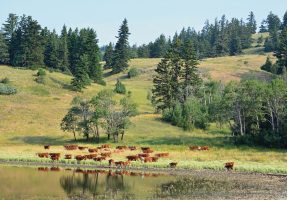
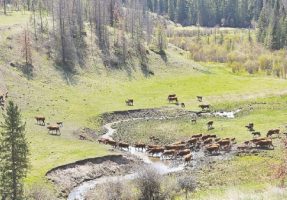
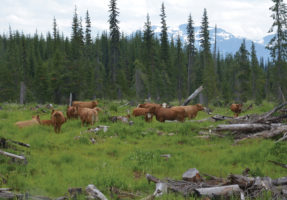
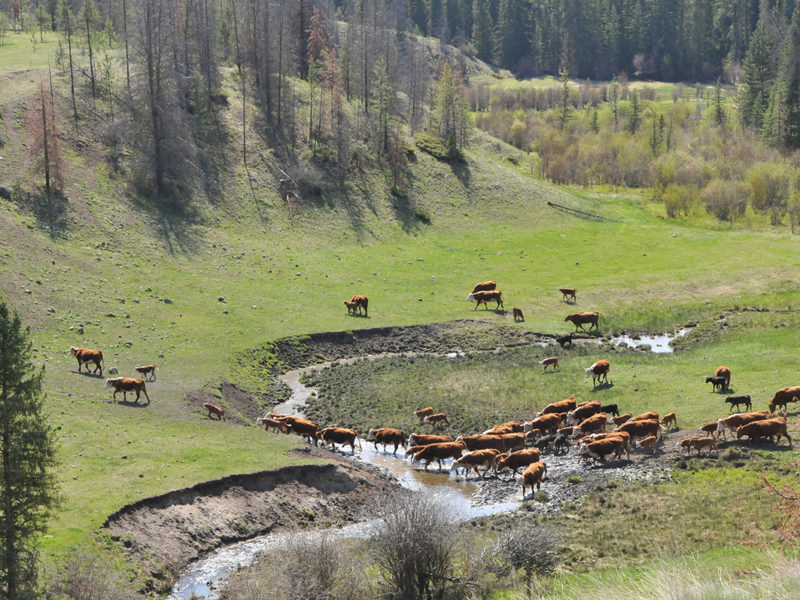
The province is proposing to classify and regulate cattle watering into three tiers based on the location and number of cattle accessing water.

On private land, you may water up to 20 cattle as a Tier 1 user without registration. Between 20 and 200 animals require the water use to be registered as Tier 2.

Watering up to 200 animals on Crown range requires a Tier 2 registration; more than 200 requires a Tier 3 authorization. Both Tier 2 and Tier 3 users will pay water rental fees, and be regulated on the basis of their priority date of use during times of scarcity.

Watering more than 200 animals requires an application for authorization as a Tier 3 user. Tier 3 applications must include approval from Indigenous governments and could consider environmental flow needs.

The additional level of water registration could add to the frustrations farmers have experienced since the Water Sustainability Act took effect in 2016.

“We are also still having concerns over the groundwater licensing [issue],” says Allison, chair of the water subcommittee of the BC Cattlemen’s Association. “Each region of BC is seeming to place their own interpretation on approval of existing-use groundwater.”
 

Related Posts

You may be interested in these posts from the same category.

Breathing new life into historic ranches

Province lacks reconciliation roadmap: ranchers

Southern Interior irrigators shut down

Crown land conflicts reveal policy gaps

Island farmers fish for water solutions

Feed available but stocks low

Groundwater enforcement picks up

Land Act changes deferred

Land Act firestorm

Dam violations face fines

Rangeland forage allocation studied

Water licence fight highlights need for change

Previous Post: « Stand offers berries to go
Next Post: Farm safety organization revamps »

Copyright © 2025 Country Life in BC · All Rights Reserved