• Menu
  • Skip to primary navigation
  • Skip to main content
  • Skip to primary sidebar

Country Life In BC Logo

The agricultural news source in British Columbia since 1915

  • Headlines
  • Calendar
  • Subscribe
  • Advertise
  • About
  • Archives
  • Contact
  • Search
  • Headlines
  • Calendar
  • Subscribe
  • Advertise
  • About
  • Archives
  • Contact
  • Search

Primary Sidebar

Originally published:

AUGUST 2019
Vol. 105 Issue 8

Subscribe Now!

Sign up for free weekly FARM NEWS UPDATES

Select list(s) to subscribe to


By submitting this form, you are consenting to receive marketing emails from: Country Life in BC. You can revoke your consent to receive emails at any time by using the SafeUnsubscribe® link, found at the bottom of every email. Emails are serviced by Constant Contact
Your information will not be
shared or sold ever

Stories In This Edition

Province allows family on farms

Teamwork!

Rain hammers cherry crop

Sidebar: A brief history

Chilcotin ranchers’ hope for hay crop washed away

Editorial: Dog days

Back Forty: Keeping the kids safe down on the farm

Viewpoint: Top-down governance no way to help caribou

Egg board set to get cracking on quota distribution

Get ’em while you can

Feds address labour shortages

Bee healthy!

Marketing board names new entrant winners

BC berry research gets big funding boost

BC hosts International Blueberry Organization

Tour showcases innovation, marketing savvy

Governments agree to national park reserve

BC’s oldest farm seeks new management

Apple dieback investigation underway

Bumper crop for raspberries fails to materialize

Balance key to restoring fire-affected range

Global demand set to buoy cattle prices

A good start helps calves finish in top shape

Ranchers collaborate to preserve grasslands

Rotational grazing pays off year-round

Sidebar: Track costs, see profits

Stock show kicks off summer for 4-H members

Finding new potential for a lost native berry

Sidebar: Others see same benefits

Shuswap tour showcases local producers

Research: Do honeybees spread viruses to wild bees?

Volken Academy breaks ground on new farm

Woodshed: Romance is in the air, for all but the Hendersons

Fourth-generation farmers chart ambitious course

Jude’s Kitchen: In-season produce is king

More Headlines

Follow us on Facebook

Comments Box SVG iconsUsed for the like, share, comment, and reaction icons

2 weeks ago

The Canadian Food Inspection Agency is preparing to implement changes to its livestock traceability rules that will include mandatory computer reporting within seven days on movement of animals for veterinary appointments, community pastures, exhibitions, carcass and on-farm disposal and the births and deaths of every animal on your farm. Writer Tom Walker first brought these changes to the attention of our readers back in June 2023. We've posted his story to our website:

www.countrylifeinbc.com/cfia-proposes-traceability-updat#BCAg#BCag
... See MoreSee Less

The Canadian Food Inspection Agency is preparing to implement changes to its livestock traceability rules that will include mandatory computer reporting within seven days on movement of animals for veterinary appointments, community pastures, exhibitions, carcass and on-farm disposal and the births and deaths of every animal on your farm. Writer Tom Walker first brought these changes to the attention of our readers back in June 2023. Weve posted his story to our website: 

https://www.countrylifeinbc.com/cfia-proposes-traceability-updates/

#BCag
View Comments
  • Likes: 11
  • Shares: 21
  • Comments: 15

Comment on Facebook

I love hpw the cow in the picture hasn't even got a RFID tag in it but I digress. We can not read the link, it says "we are not permitted to read drafts". Please post again with the correct link.

Dairy farmers having been doing this several years. The app we use has become quite simple to use

Including equine?

Premise ID was slowly rolled through the country, voluntary then mandatory. Transparency and 'Consultation' has been light. Those who tried to bring this for discussion a couple years ago, because of forseen overreach, were quite often labeled conspiracy theorists and that it wasnt meant to be so heavily regulated and controlled. Gardens and seeds will be next. "Invasive species" reporting, check out the plants medicinal properties. Read the BC intentions papers. The premise ID that already heavy regulated commodities have claims to be treated different in the intentions papers on page 8. www2.gov.bc.ca/assets/gov/farming-natural-resources-and-industry/agriculture-and-seafood/food-saf...

Says i am "not allowed to preview draft".

Also concerning is the part on compliance...they can 'stumble onto' any farm and if you're not complying there are consequences.

When the CFIA stumbles into the wrong place compliance will be met with civil engagement

Says I can't preview draft

This is government overreach - Do Not Comply!

Do not comply

Fu

As if the price of beef isn't bad enough for consumers,,,,,be prepared to be gouged some more now

Ridiculous!!

Let's hold up on the beef exports tell we can get our own house in order... we need to deregulated, cheapen up the supply chain back into a 5 buck a pound rage so the good people canada can eat healthy food.. fuck your bean diets, that's retarded

This, along with the majority of new legislation pertaining to any type of farm, is a blatant squeeze on any sort of small, alternative agricultural venture. I am a massive believer in working together and sharing resources and costs and solutions - do not get me wrong - but this and the water registration among others, is an overreach (at most generous) and an absolute killer to smaller, local initiatives that LITERALLY save lives during extreme events. There is ONE ROAD into and out of my community. We don’t need or want some sort of backlogged government response when shit goes sideways. We want the ability AND SUPPORT to provide for our communities without penalty when things go badly. We want to produce sustainability for our communities. We live here, we work here, we want to STAY HERE. Stop making it harder.

View more comments

3 weeks ago

BC's minimum piece rates for 15 hand-harvested crops increased 2.6% on December 31. Crops include peaches, apricots, brussels sprouts, daffodils, mushrooms, apples, beans, blueberries, cherries, grapes, pears, peas, prune plums, raspberries and strawberries. Farm-worker piece rates in BC were increased by 11.5% in January 2019 and 6.9% in December 2024. BC’s current minimum wage sits at $17.85 per hour.

#BCAg
... See MoreSee Less

BCs minimum piece rates for 15 hand-harvested crops increased 2.6% on December 31. Crops include peaches, apricots, brussels sprouts, daffodils, mushrooms, apples, beans, blueberries, cherries, grapes, pears, peas, prune plums, raspberries and strawberries. Farm-worker piece rates in BC were increased by 11.5% in January 2019 and 6.9% in December 2024. BC’s current minimum wage sits at $17.85 per hour. 

#BCAg
View Comments
  • Likes: 10
  • Shares: 0
  • Comments: 2

Comment on Facebook

I'm not sure what they're telling us. Did peace rates have to increase so that Farm workers could make minimum wage?

They deserve it, but the general public will be whining about increased prices in the stores. Will need to make more information average to the g.p.

3 weeks ago

... See MoreSee Less

View Comments
  • Likes: 14
  • Shares: 0
  • Comments: 1

Comment on Facebook

105 Mile Ranch

4 weeks ago

... See MoreSee Less

View Comments
  • Likes: 7
  • Shares: 0
  • Comments: 0

Comment on Facebook

1 month ago

Water volumes from the Nooksack River are at levels similar to 1990 and 2021, but the province says flows should peak at 10pm tonight. The shorter duration, as well as conditions in other watercourses within the watershed and performance of flood protection infrastructure should avoid a catastrophe on the scale of 2021. However, several landslides mean road closures have once again effectively isolated the Lower Mainland from the rest of the province.

#BCAg
... See MoreSee Less

Water volumes from the Nooksack River are at levels similar to 1990 and 2021, but the province says flows should peak at 10pm tonight. The shorter duration, as well as conditions in other watercourses within the watershed and performance of flood protection infrastructure should avoid a catastrophe on the scale of 2021. However, several landslides mean road closures have once again effectively isolated the Lower Mainland from the rest of the province.

#BCAg
View Comments
  • Likes: 9
  • Shares: 3
  • Comments: 1

Comment on Facebook

Family living in Sumas WA say it's very much like '21. They have the same amount of water in their house as last time.

Subscribe | Advertise

The agricultural news source in British Columbia since 1915
  • Email
  • Facebook

Province allows family on farms

Year’s reprieve for second homes

August 1, 2019 byPeter Mitham

VICTORIA—The province is giving families living in the Agricultural Land Reserve until February 22, 2020 to obtain approvals for second homes for immediate family.

“We’ve worked to make long-overdue changes to help farmers farm,” said BC agriculture minister Lana Popham in announcing the changes. “We heard from people living in the ALR, many who said they aren’t farming but purchased ALR land for residential use. We understand that some have been caught in the transition. We’ve listened and have given people a bit more time to get their permits in place.”

The move follows widespread criticism of new regulations introduced in February following passage of Bill 52, which removed a provision allowing for a second home on farm properties for family members. The change was part of steps to rein in residential development on farmland and curb speculation.

However, the move took many municipalities and landowners by surprise.

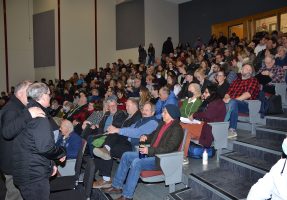
The pressure peaked following a June 17 meeting District A Farmers Institute hosted in Nanoose Bay on Vancouver Island. Concerns voiced there received widespread media coverage, followed by earnest pledges from the government that grandfathering provisions were coming. Those followed July 4, and marked a small victory for critics.

District A Farmers Institute president Janet Thony gave the announcement a mixed review, however.

“I’m very happy for those folks who can carry on with their plans. Hopefully it is a reasonable time frame,” she said. “I am not happy that a ‘grandfathering period’ indicates they will not reverse the decision to not allow a second residence for ‘immediate family.’”

Thony says the prohibition on allowing immediate family to live on a property constituted “a direct attack on the principle of the ‘family farm.’”

However, Popham has steadfastly maintained that secondary residences are still allowed if they support farm operations. All landowners need to do is apply to the Agricultural Land Commission. Additional discussions in 2020 will support regulations that accommodate families that farm.

A wholesale modernization of regulation is needed, said Popham, not the piecemeal approach that’s been taken in the past.

“When the old government made changes to the ALR, they took a piecemeal approach that hurt our producers,” said Popham. “We’ve been working on regulations. As part of that, we’re looking at how we can provide farmers with more flexibility in their businesses, while continuing to preserve the valuable farmland they rely on.”

In the meantime, housing suppliers welcome additional time for landowners to seek approvals.

Two clients of Triple R Modular Homes in Merville put their modular home orders on hold as a result of the rule change, says owner Larry Huston. Since the grandfathering period was announced, they’ve told him they’ll proceed. He expects more to follow.

“It’s already turned positive for us,” he said. “[There’s] nothing new as of yet, but we’re looking at trying to figure out how we can do something on our website to promote that you’ve got a year.”

While most people typically want homes delivered before the autumn rains begin, the February deadline gives them time to seek approvals for homes delivered in 2020.

The number of property owners likely to take advantage of the reprieve is difficult to estimate.

There have been 28 applications to the Agricultural Land Commission for residential use of farmland between February 22 (when the new regulations were introduced) and June 17. Of these, three applications – all in the South Coast region – were for homes larger than 500 square metres, the maximum allowed under Bill 52. The rest were for secondary residences, with 12 applications on the South Coast and 10 in the Okanagan.

Since landowners didn’t have to seek the land commission’s approval for secondary homes for immediate family prior to February, there’s no indication yet of whether landowners are rushing to locate a modular home on their property for family before they’re not allowed.

“This is new legislation
Related Posts

You may be interested in these posts from the same category.

Islands Trust sidelines ag in policy statement

ALC rejects Cowichan dike removal

Council calls for review of farm classification rules

Regulatory hurdles threaten farm income solutions

Kelowna fallow farmland returns

ALR policy review shows room for improvement

ALR settles Treaty 8 claims

Surrey ALR inclusion cheered

Good land at risk

There is a future for BC’s apple industry

Province opens ALR to agritech development

ALR opened for agritech

Previous Post: « BC’s oldest farm seeks new management
Next Post: BC wine pioneer Harry McWatters dies »

Copyright © 2026 Country Life in BC · All Rights Reserved