• Menu
  • Skip to primary navigation
  • Skip to main content
  • Skip to primary sidebar

Country Life In BC Logo

The agricultural news source in British Columbia since 1915

  • Headlines
  • Calendar
  • Subscribe
  • Advertise
  • About
  • Archives
  • Contact
  • Search
  • Headlines
  • Calendar
  • Subscribe
  • Advertise
  • About
  • Archives
  • Contact
  • Search

Primary Sidebar

Originally published:

September 2017
Vol. 103 Issue 9

Subscribe Now!

Sign up for free weekly FARM NEWS UPDATES

Select list(s) to subscribe to


By submitting this form, you are consenting to receive marketing emails from: Country Life in BC. You can revoke your consent to receive emails at any time by using the SafeUnsubscribe® link, found at the bottom of every email. Emails are serviced by Constant Contact
Your information will not be
shared or sold ever

Stories In This Edition

Bleak

Rising from the ashes

Foreign ownership on radar

Local knowledge & premise ID earn creditibility

Political overhaul targets major issues

Back to the future

Back Forty: Support can’t come soon enough

Viewpoint: Smartphones dial up new green revolution

Govt orders review of contaminated acquifer

Ag waste regs coming

Perfect attendance

BC-Washington collaborate on water mgmt

BC leads in organic consumption

Bracing for second flight of armyworm

Budget funding starts flowoing for genomics work

The “S” Team

Ag ministers sign new funding framework

Supply management takes hit

Delta land swap yields benefits

Consolidation strengthens ALR exclusion bid

Salt Spring facility gets big boost from local donor

Corn rootworm infesting FV crops

Kelowna farmers’ market gives new location a try

Compensetion sought for Clinton backburn

Fall promises volatility in cattle markets

Cattle feeders face certain uncertainties

Shave Shower Shampoo

Strong showing for Hereford Bonanza

Grain research helps address shifting conditions

FV, N OK dairies win at Chilliwack

Research: Breeding cows to beat the heat

Kootenay program aims to revive extension expertise

Beet trials target “seed sovereignty”

New hop debuts

Washington lab holds opportunities for grain growers

Sheep dog trials make comeback

Bear kills cause grief for Island sheep producers

Get it in writing

Celebrating 100 years: Eaglet FI

Managing risks, seizing opportunities

Naturally rich soil, low inputs support Kelowna garden

In celebration of thse who buy local

Woodshed: Ashley exercises power of persuasion

Jude’s Kitchen: Back-to-it Bites

More Headlines

Follow us on Facebook

Comments Box SVG iconsUsed for the like, share, comment, and reaction icons

14 hours ago

... See MoreSee Less

View Comments
  • Likes: 6
  • Shares: 0
  • Comments: 0

Comment on Facebook

2 days ago

Four 4-H members were walking the Islands Ag Show Friday sharing leftover flower lollipops to exhibitors. The colourful pops were prizes for those who guessed answers based on the 4-H project boards on display at the show. Left to right, Talia Prenger, Kate Barter, Ella Prenger and Emma Barter of Parksville and Qualicum thought making lollipops into flowers "was really cute," says Kate. The Islands Ag Show wraps up today at 2 pm at the Cowichan Exhibition Centre. Stop by our booth and say hi to Ronda, Bob and Ann!

#BCAg
... See MoreSee Less

Four 4-H members were walking the Islands Ag Show Friday sharing leftover flower lollipops to exhibitors. The colourful pops were prizes for those who guessed answers based on the 4-H project boards on display at the show. Left to right, Talia Prenger, Kate Barter, Ella Prenger and Emma Barter of Parksville and Qualicum thought making lollipops into flowers was really cute, says Kate. The Islands Ag Show wraps up today at 2 pm at the Cowichan Exhibition Centre. Stop by our booth and say hi to Ronda, Bob and Ann! 

#BCAg
View Comments
  • Likes: 23
  • Shares: 4
  • Comments: 0

Comment on Facebook

3 weeks ago

The Canadian Food Inspection Agency is preparing to implement changes to its livestock traceability rules that will include mandatory computer reporting within seven days on movement of animals for veterinary appointments, community pastures, exhibitions, carcass and on-farm disposal and the births and deaths of every animal on your farm. Writer Tom Walker first brought these changes to the attention of our readers back in June 2023. We've posted his story to our website:

www.countrylifeinbc.com/cfia-proposes-traceability-updat#BCAg#BCag
... See MoreSee Less

The Canadian Food Inspection Agency is preparing to implement changes to its livestock traceability rules that will include mandatory computer reporting within seven days on movement of animals for veterinary appointments, community pastures, exhibitions, carcass and on-farm disposal and the births and deaths of every animal on your farm. Writer Tom Walker first brought these changes to the attention of our readers back in June 2023. Weve posted his story to our website: 

https://www.countrylifeinbc.com/cfia-proposes-traceability-updates/

#BCag
View Comments
  • Likes: 11
  • Shares: 21
  • Comments: 15

Comment on Facebook

I love hpw the cow in the picture hasn't even got a RFID tag in it but I digress. We can not read the link, it says "we are not permitted to read drafts". Please post again with the correct link.

Dairy farmers having been doing this several years. The app we use has become quite simple to use

Including equine?

Premise ID was slowly rolled through the country, voluntary then mandatory. Transparency and 'Consultation' has been light. Those who tried to bring this for discussion a couple years ago, because of forseen overreach, were quite often labeled conspiracy theorists and that it wasnt meant to be so heavily regulated and controlled. Gardens and seeds will be next. "Invasive species" reporting, check out the plants medicinal properties. Read the BC intentions papers. The premise ID that already heavy regulated commodities have claims to be treated different in the intentions papers on page 8. www2.gov.bc.ca/assets/gov/farming-natural-resources-and-industry/agriculture-and-seafood/food-saf...

Says i am "not allowed to preview draft".

Also concerning is the part on compliance...they can 'stumble onto' any farm and if you're not complying there are consequences.

When the CFIA stumbles into the wrong place compliance will be met with civil engagement

Says I can't preview draft

This is government overreach - Do Not Comply!

Do not comply

Fu

As if the price of beef isn't bad enough for consumers,,,,,be prepared to be gouged some more now

Ridiculous!!

Let's hold up on the beef exports tell we can get our own house in order... we need to deregulated, cheapen up the supply chain back into a 5 buck a pound rage so the good people canada can eat healthy food.. fuck your bean diets, that's retarded

This, along with the majority of new legislation pertaining to any type of farm, is a blatant squeeze on any sort of small, alternative agricultural venture. I am a massive believer in working together and sharing resources and costs and solutions - do not get me wrong - but this and the water registration among others, is an overreach (at most generous) and an absolute killer to smaller, local initiatives that LITERALLY save lives during extreme events. There is ONE ROAD into and out of my community. We don’t need or want some sort of backlogged government response when shit goes sideways. We want the ability AND SUPPORT to provide for our communities without penalty when things go badly. We want to produce sustainability for our communities. We live here, we work here, we want to STAY HERE. Stop making it harder.

View more comments

1 month ago

BC's minimum piece rates for 15 hand-harvested crops increased 2.6% on December 31. Crops include peaches, apricots, brussels sprouts, daffodils, mushrooms, apples, beans, blueberries, cherries, grapes, pears, peas, prune plums, raspberries and strawberries. Farm-worker piece rates in BC were increased by 11.5% in January 2019 and 6.9% in December 2024. BC’s current minimum wage sits at $17.85 per hour.

#BCAg
... See MoreSee Less

BCs minimum piece rates for 15 hand-harvested crops increased 2.6% on December 31. Crops include peaches, apricots, brussels sprouts, daffodils, mushrooms, apples, beans, blueberries, cherries, grapes, pears, peas, prune plums, raspberries and strawberries. Farm-worker piece rates in BC were increased by 11.5% in January 2019 and 6.9% in December 2024. BC’s current minimum wage sits at $17.85 per hour. 

#BCAg
View Comments
  • Likes: 9
  • Shares: 0
  • Comments: 2

Comment on Facebook

I'm not sure what they're telling us. Did peace rates have to increase so that Farm workers could make minimum wage?

They deserve it, but the general public will be whining about increased prices in the stores. Will need to make more information average to the g.p.

1 month ago

... See MoreSee Less

View Comments
  • Likes: 14
  • Shares: 0
  • Comments: 1

Comment on Facebook

105 Mile Ranch

Subscribe | Advertise

The agricultural news source in British Columbia since 1915
  • Email
  • Facebook

Rising from the ashes

September 1, 2017 byTamara Leigh

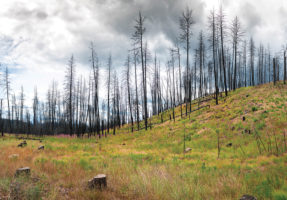
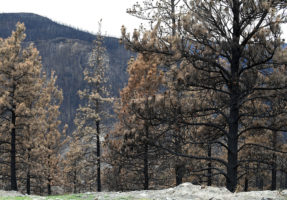
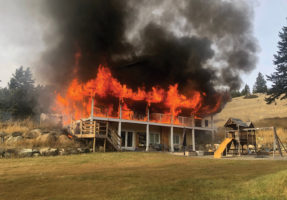
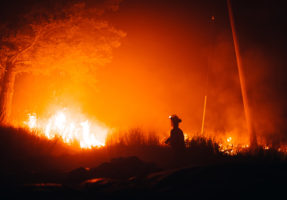
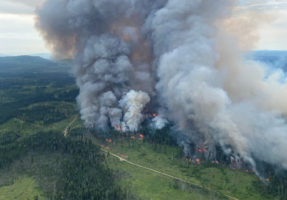
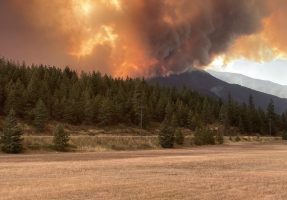
KAMLOOPS – With a record wildfire season continuing to burn its way across the province, producers in affected areas are starting to take stock of the damage and plotting a path forward.

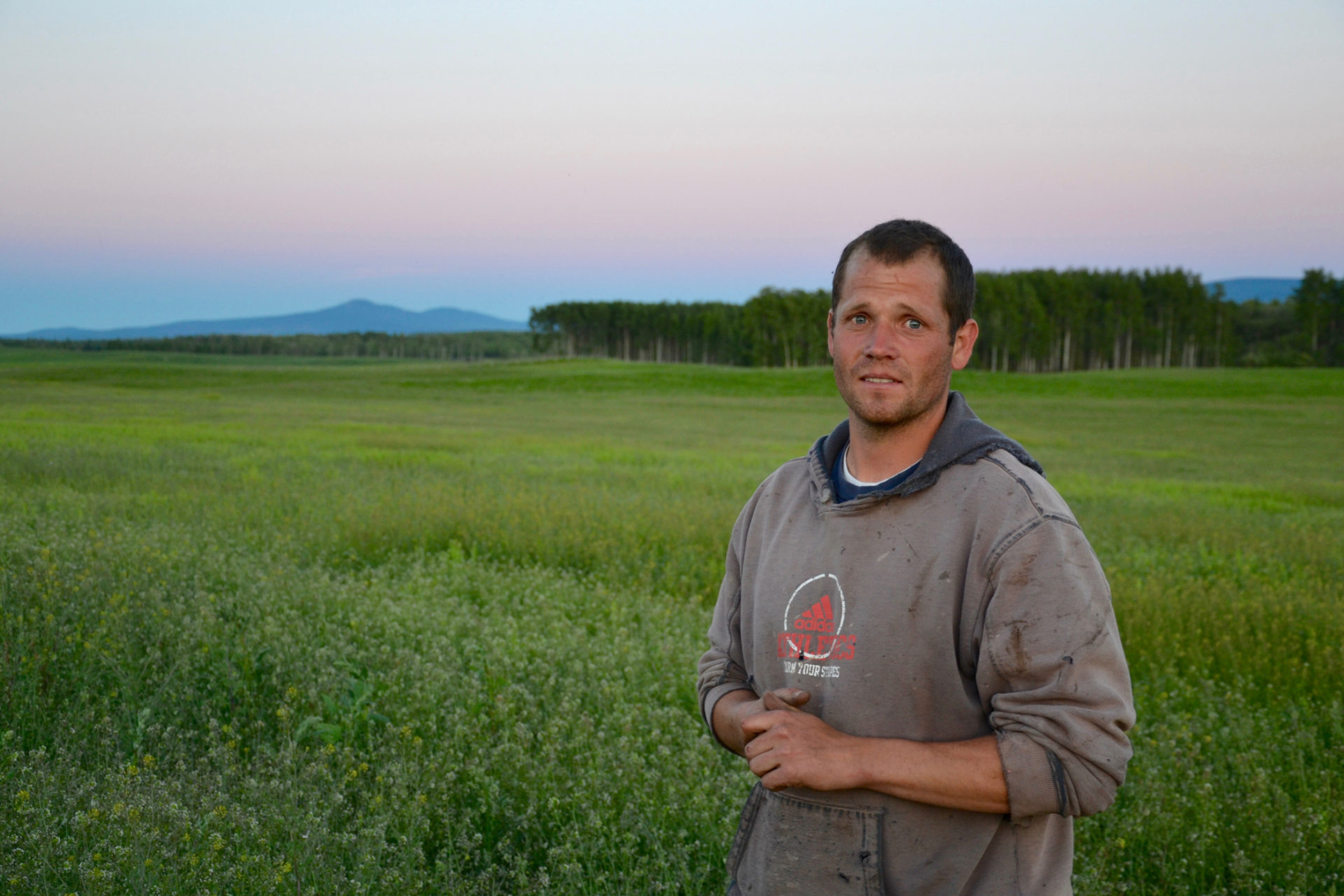
“There’s still a lot in the mix,” says Kevin Boon, executive director of the BC Cattlemen’s Association. “We can’t begin to get out on the burned range in a meaningful manner, so we have to wait for cattle to come in before we can assess the losses and injuries.”

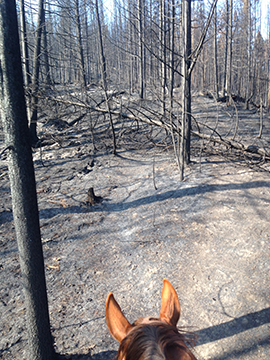
While the fires displaced close to 50,000 people at their peak, animals typically at home on the range are returning underweight, often suffering burned hooves, blisters, smoke inhalation and lung damage. Hundreds more are unaccounted for.

“We’re not going to have an accurate count on our losses until the snow flies,” says Boon. “Some of these fires may not be out by spring. There’s a lot of work in front of wildfire services and our ranchers for the foreseeable future.”

The federal and provincial agriculture ministers met August 15 to discuss assistance through the AgriRecovery disaster assistance program. Collaboration between provincial ministry staff and BCCA led to a proposal being sent to Ottawa shortly after.

Speaking at Genome BC on August 15, federal agriculture minister Lawrence MacAulay acknowledged the devastation wildfires had caused the agriculture industry in BC, and pointed to existing business risk management programs as options for producer supports.

“We’d be very open to applications and dealing with them as fast as possible,” he said, referring to the AgriRecovery program. “There’s a process that has to take place, and when that takes place, I can assure you that the government of Canada will be moving as quickly as possible.”

BC Minister of Agriculture, Lana Popham, is optimistic about increased support from Ottawa, and pointed to the announcement of $6 million from the Ministry of Transportation and Ministry of Forests for the replacement of highway fencing, in addition to the $2.2 million announced earlier this summer by the BC Ministry of Agriculture.

“Because it’s such a massive disaster, we just have to start in the areas that need it first, but I think that the cattlemen’s association is extremely happy with the support that we’re showing and the speed at which we’re responding.”

“The application will look at this year and next year’s needs,” explains Boon. “Things like feed and vet costs are expected to be covered, as well as some costs for getting some of the infrastructure in place for animal health and welfare needs like getting water supplies back into these places and rebuilding handing centres.”

Replacing irrigation infrastructure, assistance with transportation costs for feed, costs to reestablish breeding herds, and compensation for mortalities are all included in the proposal.

“We also put in some labour costs for rebuilding some of the private fences due to the extent of these fires and the amount of fencing lost,” he says, acknowledging that many of these fences were built over years, and rebuilding them right away will be physically and financially difficult. “We don’t know if that will be accepted or not, but we’re optimistic.”

Overall, Boon is pleased with the provincial government’s response.

“The staff have been absolutely amazing to work with. There are so many different aspects we’ve been dealing with, and they all have our best interest at heart,” he says. “Part of this will be post-fire recovery. We need to look at how we can make it so we can better adapt to the future, and make it worthwhile for these producers to re-establish their businesses.”

Big picture recovery

As the province looks at the longer-term recovery of the millions acres that have burned, there is an opportunity for consulting with groups who have interests on that land, including agriculture, forestry, mining and recreational interests to rebuild and replant strategically.

“In this and in every crisis we feel there’s an opportunity,” says Boon, pitching a landscape-level planning approach. “We’ve seen where irrigation, agriculture and hay has been a huge asset on stopping the movement of some of these fires. We should be doing some strategic planning on how to reestablish the grass and create protective greenspaces and rebuild our herds.”

Boon pitched the approach in a recent meeting with Delta MP Carla Qualtrough, who is overseeing federal recovery efforts for this year’s BC wildfires.

“When I started explaining some of our thoughts on proper placement of grass and trees, she was extremely interested,” he says. “We’re enthusiastic that we are being listened to. This is something that we start working on now. I think it will be extremely beneficial to us.”

However, it’s not something the ranching sector can do on its own.

“We need to be at the table as well as everybody else and plan this properly,” he says. “How are we going to plan with the stakeholders at the table providing input for that land for next 100 to 150 years and set out a plan for it? This is the future of our industry.”

With files from Peter Mitham
Related Posts

You may be interested in these posts from the same category.

Wildfires rip through Southern Interior

Wildfire threat remains high

Ranchers facing rangeland losses

Ranchers face rangeland losses

Wildfire 2021: ‘They keep locals in the dark. That is really problematic.’

Don’t blame the wildfires

Wildfire state of emergency ends

Province announces wildfire recovery funds

Province pledges emergency funding

Record temps kill poultry

Wildfires spark emergency declaration

Livestock producers count losses

Previous Post: « Alfalfa winterkill puts chill on Nechako Valley
Next Post: Food testing within reach »

Copyright © 2026 Country Life in BC · All Rights Reserved