• Menu
  • Skip to primary navigation
  • Skip to main content
  • Skip to primary sidebar

Country Life In BC Logo

The agricultural news source in British Columbia since 1915

  • Headlines
  • Calendar
  • Subscribe
  • Advertise
  • About
  • Archives
  • Contact
  • Search
  • Headlines
  • Calendar
  • Subscribe
  • Advertise
  • About
  • Archives
  • Contact
  • Search

Primary Sidebar

Originally published:

July 2018
Vol. 104 Issue 7

Subscribe Now!

Sign up for free weekly FARM NEWS UPDATES

Select list(s) to subscribe to


By submitting this form, you are consenting to receive marketing emails from: Country Life in BC. You can revoke your consent to receive emails at any time by using the SafeUnsubscribe® link, found at the bottom of every email. Emails are serviced by Constant Contact
Your information will not be
shared or sold ever

Stories In This Edition

Sweet basil

Committee cancels meetings

Sidebar: Greater co-ordination; less conflict

Prince George packing plant gets further study

Sidebar: Co-op model lets producers pocket profits

Editorial: Buy the billions

Back Forty: Canada isn’t the cure for what ails US dairy

OpEd: Dairy industry will endure current trade issues

ALC allegations nix Delta farmer’s vision

Letters: Elk know no boundaries

Precautions taken against Japanese beetle

Great spring for nurseries

Chicken pricing formula isn’t right

Pitt crew

Criteria for Crown tenure still unclear

McClary’s leased to Aquilinis

Strawberries kick berry season off to good start

Food advocates grapple with rural-urban interface

Research updates presented to cherry growers

New farmers need to research livestock needs

Time for tea

Ag Brief: Farmers still waiting on new ag waste regs

Ag Brief: Drought watch

AgBrief: Good to meet ewe

Ag Brief: Staff change at FF/CF

Ag Brief: Market trail

Riparian restorations benefit from farm funding

Young Farmers network at Okanagan tour

Salmon Arm fleece brings top dollar

Perseverance, ingenuity aid haskap harvest

BC ranchers praised for wildfire response

Committee work pinpoints rancher priorities

Mentorship program helps expand horizons

Tour gives public insight to dairy farming

Island welcomes Angus breeders

Experts weigh in on future of raspberry cultivars

Preparation, customer service key to market success

Top 10 list for market success

UVF ag curriculum continues to diversify

Research: Going green

Buy BC relaunched

Farm camps for kids

Henderson continues on crash course

Jude’s Kitchen: It’s easy to make July veggie month

More Headlines

Follow us on Facebook

Comments Box SVG iconsUsed for the like, share, comment, and reaction icons

6 days ago

... See MoreSee Less

View Comments
  • Likes: 4
  • Shares: 0
  • Comments: 0

Comment on Facebook

7 days ago

On the last day of the BC Organic Conference, Thursday, Molly Thurston of Pearl Agricultural Consulting helped growers learn how to manage bugs such as codling moth, wireworm, and rootworm in organic growing systems. Her talk alongside Renee Prasad included hands-on activities in which participants checked out various traps and examined pests under microscopes. Be sure to look for more upcoming ag events on our online calendar at www.countrylifeinbc.com/calendar/

#BCAg
... See MoreSee Less

On the last day of the BC Organic Conference, Thursday, Molly Thurston of Pearl Agricultural Consulting helped growers learn how to manage bugs such as codling moth, wireworm, and rootworm in organic growing systems. Her talk alongside Renee Prasad included hands-on activities in which participants checked out various traps and examined pests under microscopes. Be sure to look for more upcoming ag events on our online calendar at www.countrylifeinbc.com/calendar/

#BCAg
View Comments
  • Likes: 15
  • Shares: 0
  • Comments: 0

Comment on Facebook

1 week ago

Well-known organic farmer and podcaster Jordan Marr gets interviewed by Country Life in BC’s own columnist and potato mavin Anna Helmer during the opening session of the BC Organic Conference at Harrison Hot Springs yesterday. Sessions run today (Wednesday) and Thursday and include organic and regenerative growing practices and expanding and advocating for the organic sector, all under the background of the newly launched Organic BC banner.

#BCAg
... See MoreSee Less

Well-known organic farmer and podcaster Jordan Marr gets interviewed by Country Life in BC’s own columnist and potato mavin Anna Helmer during the opening session of the BC Organic Conference at Harrison Hot Springs yesterday. Sessions run today (Wednesday) and Thursday and include organic and regenerative growing practices and expanding and advocating for the organic sector, all under the background of the newly launched Organic BC banner.

#BCAg
View Comments
  • Likes: 37
  • Shares: 2
  • Comments: 1

Comment on Facebook

Interested in finding out more about this

3 weeks ago

Today, we remember those who sacrificed their lives or their well-being for our freedom. Lest we forget. ... See MoreSee Less

Today, we remember those who sacrificed their lives or their well-being for our freedom. Lest we forget.
View Comments
  • Likes: 8
  • Shares: 0
  • Comments: 0

Comment on Facebook

1 month ago

FarmFolk CItyFolk is hosting its biennial BC Seed Gathering in Harrison Hot Springs November 27 and 28. Farmers, gardeners and seed advocates are invited to learn more about seed through topics like growing perennial vegetables for seed, advances in seed breeding for crop resilience, seed production as a whole and much more. David Catzel, BC Seed Security program manager with FF/CF will talk about how the Citizen Seed Trail program is helping advance seed development in BC. Expect newcomers, experts and seed-curious individuals to talk about how seed saving is a necessity for food security. ... See MoreSee Less

Link thumbnail

BC Seed Gathering - FarmFolk CityFolk

farmfolkcityfolk.ca

Save the date for our upcoming 2023 BC Seed Gathering happening this November 3rd and 4th at the Richmond Kwantlen Polytechnic University campus.
View Comments
  • Likes: 1
  • Shares: 0
  • Comments: 0

Comment on Facebook

Subscribe | Advertise

The agricultural news source in British Columbia since 1915
  • Email
  • Facebook

New farmers need to research livestock needs

Grow-your-own movement creates welfare concerns

July 1, 2018 byBarbara Johnstone Grimmer

VANCOUVER – The growing trend for families to engage in food production – including raising animals for meat – in order to be self-sufficient has created new animal welfare concerns for the BC SPCA.

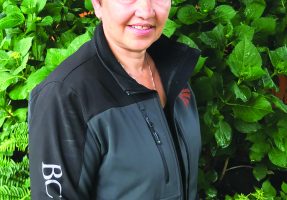
BC SPCA senior animal protection and outreach officer Erika Paul says she regularly sees animal cruelty cases among people who have started raising animals without fully knowing what they’re doing.

She also says a lack of practicing farm animal veterinarians is at the root of the biggest challenge her organization faces – “the practicality of providing basic and medical care to animals raised for an industry.”

The problem is particularly acute on southern Vancouver Island and in the Gulf Islands.

“There are few or no practicing farm animal veterinarians there,” says Paul. “There are horse vets, however the other farm species do not share the same benefit,” she adds.

Paul says difficulties arise when an animal needs medical care or a controlled medication. Without a working relationship with a veterinary clinic or a practicing farm animal veterinarian, these procedures and medications are inaccessible.

The result is a tough choice for farmers, and one that quickly becomes problematic.

“Farmers/hobbyists/breeders don’t want to lose their investment in the animal, but if the animal needs care, and treatment is either unavailable or costly, the practical decision is euthanasia. Either way, it’s a loss for the farmer,” she says.

And euthanasia isn’t a simple matter, either.

“Codes of practice for some species require specialized or expensive equipment to perform euthanasia,” she adds.

The lack of farm animal vets presents BC SPCA with the same challenges as farmers, Paul notes. Provincial legislation invests the BC SPCA with police authority in animal welfare cases, but the animals it sees often need veterinary care.

“I would like people to do their homework first before jumping in with both feet and stocking their backyards with farm animals,” Paul says.

New farmers need to research proper animal care, including feed and housing, and the time and financial commitment required. She advises livestock owners to ensure a vet is available to provide medical care when needed, and to know the costs. They also need to check local bylaws and make sure livestock are permitted.

“Know what the industry standards are and endeavour to exceed husbandry expectations,” says Paul.

Starvation deaths

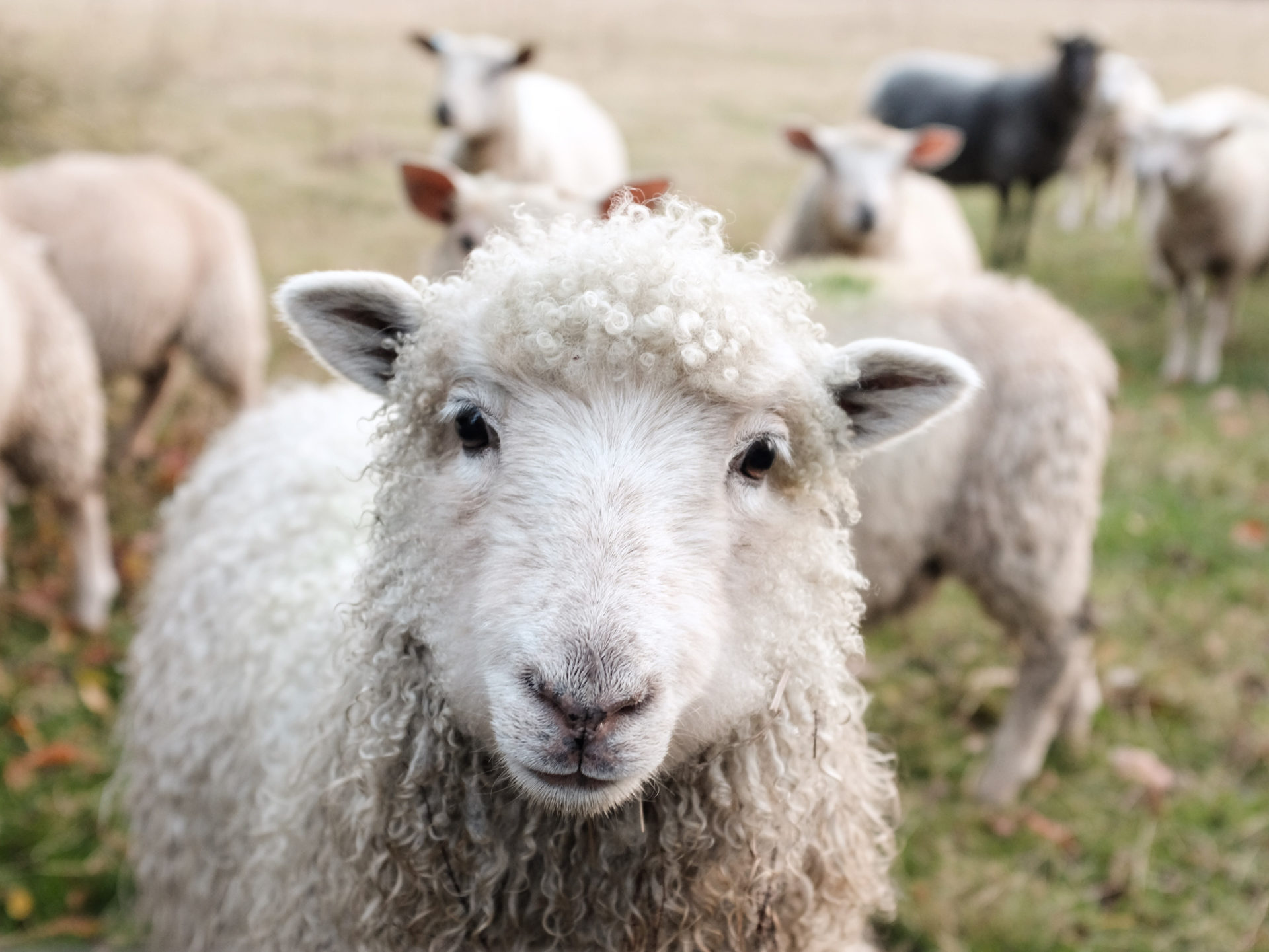
“Most people are surprised that starvation is the third most common cause of death in sheep submitted to the diagnostic lab in BC,” says BC Minister of Agriculture veterinary pathologist Glenna McGregor in a recent report in N’Ewes, a magazine published by the BC Sheep Federation.

“A couple of these cases are part of animal neglect/cruelty investigations, but the majority of these are from farmers who had no idea they were starving their sheep [but] cared enough …  to send us the carcass and pay $140 plus tax for a post-mortem examination. In most of the cases, the problem was not an absolute lack of feed, but lack of access to feed.”

Not enough feed bunk space, group dynamics and timid animals are contributing causes.

“Emaciation in sheep is visually hard to detect as they tend to have thick wool coats and large bulgy rumens,” says MacGregor.

Both McGregor and Paul emphasize that hands-on body condition scoring is necessary to ensure that animals are receiving adequate nutrition.

“People who decide to raise their own animals for food and end up running into problems tend to have limited resources,” notes Paul. They may believe that growing their own food will save them money but don’t comprehend the cost and work that goes into feeding and caring for farm animals, or the work or regulations involved in processing.

“We do seem to see significantly more starvation in sheep than other livestock species,” McGregor says.

They are often owned by new farmers who maybe don’t know much about nutrition, they are housed in mixed-species groups and are typically quite submissive animals by nature, and their wool makes it difficult to see if they are getting too thin.”

Typically, unkempt animals and premises are the first sign of an animal welfare concern.

However, it’s not just sheep. Goats and poultry often arrive in the lab as well, and the centre regularly sees cases of starvation in horses, dogs, cats, other pets and occasionally cattle.

Long wait times to slaughter animals at licensed abattoirs can also put pressure on new farmers or those with limited resources who don’t know they need to book an abattoir months in advance.

“Animal hoarding is more likely to happen with hobbyists or backyard farmers,” explains Paul.

In hoarding situations, it is more about the costs of transporting and processing, rather than the need to possess, she says. Prolific animals, such as rabbits, can quickly overwhelm people, especially if the market is soft. Another issue is the need for culling or euthanasia and the willingness of the person to perform the duty, leading to unnecessary suffering or the accumulation of non-producing animals.
Related Posts

You may be interested in these posts from the same category.

Trial decision expected

Hog farm won’t face charges

Johnston’s Packers targeted by activists

Protest sends warning signal

Cattle

Codes of practice need producer input

Animal cruelty charges laid

Body cams are out

Poultry abuse underscores need to measure up

Chilliwack dairy fined for allowing “culture of abuse”

Previous Post: « Perseverance, ingenuity aid haskap harvest
Next Post: ALC allegations nix Delta farmer’s vision »

Copyright © 2025 Country Life in BC · All Rights Reserved