• Menu
  • Skip to primary navigation
  • Skip to main content
  • Skip to primary sidebar

Country Life In BC Logo

The agricultural news source in British Columbia since 1915

  • Headlines
  • Calendar
  • Subscribe
  • Advertise
  • About
  • Archives
  • Contact
  • Search
  • Headlines
  • Calendar
  • Subscribe
  • Advertise
  • About
  • Archives
  • Contact
  • Search

Primary Sidebar

Originally published:

July 2017
Vol. 103 Issue 7

Subscribe Now!

Sign up for free weekly FARM NEWS UPDATES

Loading form…

Your information will not be
shared or sold ever

Stories In This Edition

4-H Gator draw

Poultry Abuse underscores need to measure up

Political uncertainty creates angst

Water tops list of ranchers’ concerns at AGM

Editorial: Trust is an active verb

Back Forty: Time to celebrate our home and rural land

Greenhouse growers propose infrastructure project

Letter: Seat belts must be worn at all times

Ag Brief: Blueberry growers pack meeting

Ag Brief: Blueberry growers pack meeting

Barn fires spark focus on prevention

Emergency plan critical for livestock owners

BCAC hires new communications director

Abbotsford seeks exclusion to boost industrial land base

Otter Co-op posts another record-breaking year

Food report card gives BC passing grade

Agriculture’s success testifies to investment funding

Ag Brief: Hullcar abatement order shut down

Mission investigation inconclusive

Abbotsford tickets thousands

Price set as growers eye ambitious growth target

High prices, change coming for nurseries

BC tree fruit outlooks is a bowl of cherries

BC greenhouses are family-friendly operations

Sidebar: Why greenhouses aren’t organic

Greenhouse showcases production systems

BC agricultual history depicted in museum murals

BC agriculture vital part of Canada’s 150 years

Research: Grazing time for cows

Deep roots give Shannon Farm bright future

Fraser Lake ranchers honoured for excellence

Cattlemen invest in research to boost productivity

New livestock industry co-ordinator embraces dream job

Researchers study sheep diseases to understand potential risks

Blueberry processors focus on fruit quality

Sidebar: SWD can make timing harvest tricky

Urban growing, libations and greenhouses

Municipalities committing to urban farming

Young farmers hear production, packing trips

Pencil Patch offers hands-on experience

Summer camps foster farm focus for kids

New group of 4-H Ambassadors engage BC

Woodshed:

Just when you thought it couldn’t get worse

Jude’s Kitchen: Summertime

More Headlines

Follow us on Facebook

Comments Box SVG iconsUsed for the like, share, comment, and reaction icons

6 days ago

A BC Forest Practices Board investigation has found overgrazing has damaged grasslands in the Coutlee Range Unit near Merritt — and the range-use plan meant to prevent it was unenforceable. With complaints about overgrazing on the rise and grasslands covering just 1% of BC's land mass, the findings raise fresh questions about how the province manages one of its most vulnerable — and valuable — food-producing ecosyste#BCAg#BCAg ... See MoreSee Less

Link thumbnail

Board finds overgrazing rules unenforceable unmeasurable

www.countrylifeinbc.com

MERRITT – A BC Forest Practices Board investigation has found instances of non-compliance related to overgrazing have damaged open grasslands in the Mine pasture, part of the Coutlee Range Unit near...
View Comments
  • Likes: 6
  • Shares: 6
  • Comments: 6

Comment on Facebook

Several ranchers in recent years have gone into temporary non use on that range , so that means the grass should grow. But drought conditions/lack of rain and snow don’t allow that to happen . Dried up springs , creeks waterholes in various pastures add to over grazing where there is water , as livestock and everything else stay close to the water source . So even though less cattle are on it , over grazing appears. There is a large volume of horses on it 365 days/year which is wrong ! They pull grass right out of the ground when it’s just trying to grow ,, opens the door for weeds to grow in. That don’t help it. Aging infrastructure ( fences) laying on the ground, pipe line building , ( lack of commitment to fence maintenance) amongst all users contributes also to over grazing. Recreational atv users leaving gates open between pastures allows livestock to go back or ahead in pastures also expidites over grazing. Logging ( bcts) has no problem laying out cut locks on both sides of a fence , then it gets smashed down during logging and they don’t take responsibility to stand it back up or clean the cattle gaurds out when they are done , that happened 4 years ago on pasture 5 up there . I bet it is still not fixed . There are lots of contributing factors to the problem.

Tragedy of the commons.

I looked through the report. I saw nothing about the effects of noxious weeds on productive grasslands. This particular area is vulnerable because of the Ministry’a efforts to diversify the use of the Grasslands.

This pasture is under tremendous pressure not only from cattle but from irresponsible local residents who treat it as a landfill dumping all manner of household debris here. And don't even get me started on the mud bogging and camping in sensitive riparian areas. The feral horses are in this pasture 365 days a year just hammering it. Would sure be nice to see some enforcement action on people who are intentionally ripping up the grasslands and riparian areas. Cattle could be a valuable resource for rebuilding soils and native grasses in this area with the help of electric fencing and/or e-collars. The humans will be harder to manage.

The Forest and Range Practices Act was written by lawyers for global forest licencee shareholders. Results-based = unenforceable.

Also, can we talk about the impact of a pipeline being built through the middle of this field for multiple years?

View more comments

1 week ago

East Kootenay rancher Randy Reay is digging a new well after two natural water sources dried up on his Crown tenures. A new Living Lakes Canada assessment found 15% of mapped aquifers in the region are high-priority for monitoring, yet 80% of those go unmonitored. With over 48% of BC's provincial observation wells reporting below-normal groundwater levels, ranchers and researchers are sounding the alarm on water security. The story is in our March edition, and we've posted it to our website thi#BCAgk.

#BCAg
... See MoreSee Less

Link thumbnail

Water woes: groundwater under pressure across BC

www.countrylifeinbc.com

JAFFRAY – As a young boy growing up in the Kootenay-Boundary region, Randy Reay never expected to run out of water. But this year, in mid-February, his fields are bare. There is no snow halfway up t...
View Comments
  • Likes: 8
  • Shares: 7
  • Comments: 1

Comment on Facebook

Jaffrey is in the east Kootenays not kooteney boundary

2 weeks ago

BC farmers are bracing for prolonged higher input costs as war in the Middle East drives up fuel and fertilizer prices. Nitrogen fertilizer costs were already climbing before the Iran conflict began, with prices still roughly 60% above pre-pandemic levels. Farm Credit Canada warns that unlike 2022, strong commodity prices may not offset rising costs this time. Local suppliers expect supply challenges and further price increases ahead.

#BCAg
... See MoreSee Less

Link thumbnail

Fertilizer prices on the rise

www.countrylifeinbc.com

War in the Middle East has delivered a generational shock to energy prices, meaning BC farmers can expect a prolonged period of higher costs not just for fuel but also for fertilizer.
View Comments
  • Likes: 2
  • Shares: 1
  • Comments: 0

Comment on Facebook

2 weeks ago

... See MoreSee Less

View Comments
  • Likes: 1
  • Shares: 0
  • Comments: 0

Comment on Facebook

2 weeks ago

Cameron Stockdale is the new executive director of provincial farm safety organization AgSafeBC. Find out more in this week's Farm News Update from Country Life in B#BCAg#BCAg ... See MoreSee Less

Link thumbnail

New leadership at AgSafe BC

www.countrylifeinbc.com

Cameron Stockdale is the new executive director of provincial farm safety organization AgSafeBC, succeeding Wendy Bennett. Bennett left AgSafeBC in September 2025, following 12 years with the…
View Comments
  • Likes: 5
  • Shares: 1
  • Comments: 0

Comment on Facebook

Subscribe | Advertise

The agricultural news source in British Columbia since 1915
  • Email
  • Facebook

Poultry abuse underscores need to measure up

July 1, 2017 byPeter Mitham

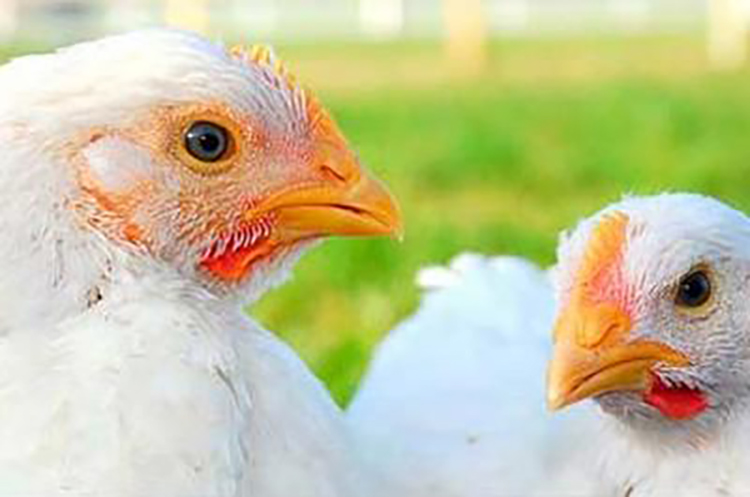
CHILLIWACK – Another horrific case of livestock abuse uncovered by the activist group Mercy for Animals highlights gaps in the farm sector’s animal protection protocols.

A video delivered to the BC SPCA on June 9 and released to media June 12 shows chicken catchers from Elite Farm Services Ltd. abusing poultry at various farms in the Fraser Valley. The shocking acts run from physical abuse to sexual assault and dismemberment. An investigation by the BC SPCA, which polices animal cruelty on behalf of the province, is ongoing.

Marcie Moriarty, chief prevention and enforcement officer with the BC SPCA, expects to recommend Crown counsel to lay charges against six individuals. Elite terminated a supervisor and three staff as a result of the video; two other persons of interest had already been fired. No arrests have been made, pending completion of the investigation.

The abuse also likely breached federal regulations governing the transportation of animals, prompting the Canadian Food Inspection Agency to investigate.

The workers caught chickens for transport to the Lilydale plant in Port Coquitlam, owned by Sofina Foods Inc. of Markham, Ontario. Sofina issued a statement expressing horror at the treatment of the chickens. It urged Elite to terminate the workers involved and launched its own investigation.

Elite, a farm labour contractor licensed by the province, issued a statement pledging to undertake its own audit of “practices, guidelines and training.” Job postings for part-time chicken catchers that Elite posted to WorkBC, the province-run jobs site, indicate that the “fast-paced” work requires no minimum education and pays $14 an hour. However, the ads tell workers that “once trained, availability for more shifts [is] a possibility.”

Elite president Dwayne Dueck did not respond to a request for information about the training workers currently receive, however, a statement released to media indicated that company-wide retraining is occurring. Elite released a second statement June 14 stating, “Every employee of our organization is expected to strictly adhere to the industry standards outlined and mandated by the Poultry Code of Practice and Animal Care Standards.”

Elite’s policies should have prevented the abuse, Moriarty said, though she was unaware of what training Elite actually gave workers. She believes anyone viewing the video would say the workers weren’t acting as Elite would have wanted.

“I’m sure it’s not in their policy and procedures to allow their workers to rip legs off chickens, mimic sex acts, kick them 10 feet in the air, that sort of thing,” she said. “I hope we don’t have to write that down.”

While the poultry sector has focused on biosecurity protocols and has developed a mandatory animal care program that reflects international codes of practice, none of its standards were enough to prevent the abuse.

There was no immediate comment from the BC Chicken Marketing Board, which posted a statement from Chicken Farmers of Canada describing the abuse as intolerable – but putting the onus on producers to ensure the welfare of their animals.

“This kind of animal abuse is not and will not be tolerated,” the statement said. “While CFC’s role is to promote and defend good management practices, we count on every stakeholder in the chicken value chain to be vigilant and responsible.”

The incident speaks to the need for third-party audits, Moriarty said. When informed that these already exist, she retorted, “They’re not in place enough.”

Elite, for its part, has updated its operating procedures to require “one supervisor and two staff members in each barn to wear cameras on their safety vests to capture the activity within the barn.” The video cameras were expected to be in place by the end of June.

Working agreement

The incident comes a year after the BC SPCA discussed a working agreement with the poultry industry to ensure the prompt handling of complaints. The discussions followed similar negotiations with the dairy, beef and horse groups. The working agreements ensure BC SPCA’s statutory duties mesh with industry’s commitments to provide a co-ordinated response to any complaints.

However, the poultry industry never reached an agreement with the BC SPCA – not a written one, anyway.

“We do have a working agreement, it’s just not on paper,” Moriarty told Country Life in BC.

Moriarty said the policy involves telling the relevant industry organization that an investigation is in progress. She said the association is moving away from one-on-one agreements, opting instead for a common approach with all agricultural groups. However, it remains a work in progress and a formal agreement isn’t likely in the near term.

However, better monitoring of workers and their compliance with expectations is in the cards.

The issue was a key area where Chilliwack Cattle Sales made improvements following its conviction for allowing “a culture of abuse” that Mercy for Animals documented in a 2014 sting operation.

Chilliwack Cattle Sales Ltd., and director Wesley Kooyman were fined a maximum of $75,000 plus a victim surcharge of $11,250 on four counts of animal cruelty – a total of nearly $345,000.

BC Provincial Court judge Robert Gunnell levied the maximum fines to send a clear message that the abuse of livestock was reprehensible.

Seven other workers were also charged in the case. Three plead guilty and were sentenced in May on 18 counts of animal cruelty and three of molesting a bird. Punishments included jail time, as well as orders barring them from owning or being around animals.

The trial of the remaining four men wrapped up early last month.

The various cases underscore the need for industry to do more to make sure workers are living up to the standards set for them, Moriarty said. The latest video showed that industry isn’t walking its talk.

“There’s been more of these videos. Waiting for the next Mercy for Animals video is probably not the best strategy,” Moriarty said. “Being proactive in really implementing these auditing systems, welfare standards (and) training programs should be a high
Related Posts

You may be interested in these posts from the same category.

Trial decision expected

Hog farm won’t face charges

Johnston’s Packers targeted by activists

Protest sends warning signal

Cattle

Codes of practice need producer input

Animal cruelty charges laid

New farmers need to research livestock needs

Body cams are out

Chilliwack dairy fined for allowing “culture of abuse”

Previous Post: « Abbotsford seeks exclusion to boost industrial land
Next Post: Greenhouse growers propose infrastructure project »

Copyright © 2026 Country Life in BC · All Rights Reserved