• Menu
  • Skip to primary navigation
  • Skip to main content
  • Skip to primary sidebar

Country Life In BC Logo

The agricultural news source in British Columbia since 1915

  • Headlines
  • Calendar
  • Subscribe
  • Advertise
  • About
  • Archives
  • Contact
  • Search
  • Headlines
  • Calendar
  • Subscribe
  • Advertise
  • About
  • Archives
  • Contact
  • Search

Primary Sidebar

Originally published:

September 2018
Vol. 104 Issue 9

Subscribe Now!

Sign up for free weekly FARM NEWS UPDATES

Loading form…

Your information will not be
shared or sold ever

Stories In This Edition

BC faces another summer of fire

Heather takes the cake

ALR report confirms agenda

Organic labelling regulations kick in September 1

Editorial: Inside information

Back Forty: Quantum change in the barn and kitchen

OpEd: Civic elections important for agriculture

Armyworm infestation hits North Okanagan

New entrants face scrutiny, but no waitlist

Surprise quota increase for dairies

Carrot field day

National apple programs focus of OK meeting

Okanagan tree fruits grab international spotlight

Farmers put food hub on wish list

Farming matters

Potato trials reflect change in consumer tastes

Veterinary partnership aimrs to improve service

Ag Brief: New public trust manager planning workshops

Ag Brief: BCAC hires new environmental programs mgr

Ag Brief: Poultry specialist joins IAF

Ag Brief: Salmon farmers hire new executive director

Ag Brief: New island agrologist

Automation good investment for nursery

Hort show offering more educational opportunities

Grant harnesses opportunities for farming

Flood management requires collaboration

Rancher goes wireless to manage irrigation

Wildfire lessons learned, but still work to be done

National park reserve consultations to resume

BC youth prevail at Western Canadian Classic

Land trust for Metro Vancouver floated again

Cawston market garden looks to future

Summer Institute plants seeds of knowledge

Cariboo farm thrives with mentorship

Research: Genetic editing stops deadline pig virus

Ploughing championship in sight

Coop rentals connect urbanites with farming

Maple Ridge consults on backyard chickens

Organic pioneers reflect on growth, changes in sector

Hooked on 4-H

Fair time

Woodshed: Sweet-talkin’ Henderson makes vacation plans

Wannabe: Here’s to the ordinary

Feast of Fields

Jude’s Kitchen: September and birthday celebrations

More Headlines

Follow us on Facebook

Comments Box SVG iconsUsed for the like, share, comment, and reaction icons

3 hours ago

The Agricultural Land Commission is laying off staff after years of flat funding under the BC NDP. ALC chair Jennifer Dyson warns that application volumes, enforcement activity and legal obligations have all risen while its operating budget has stayed effectively flat — meaning longer wait times ahead for some services.

#BCAg
... See MoreSee Less

Link thumbnail

Land Commission lays off staff

www.countrylifeinbc.com

With no budget increase this year, the Agricultural Land Commission (ALC) is laying off six staff to make ends meet. “Ongoing financial constraints and the requirement to operate within the approved...
View Comments
  • Likes: 0
  • Shares: 1
  • Comments: 0

Comment on Facebook

6 days ago

A BC Forest Practices Board investigation has found overgrazing has damaged grasslands in the Coutlee Range Unit near Merritt — and the range-use plan meant to prevent it was unenforceable. With complaints about overgrazing on the rise and grasslands covering just 1% of BC's land mass, the findings raise fresh questions about how the province manages one of its most vulnerable — and valuable — food-producing ecosyste#BCAg#BCAg ... See MoreSee Less

Link thumbnail

Board finds overgrazing rules unenforceable unmeasurable

www.countrylifeinbc.com

MERRITT – A BC Forest Practices Board investigation has found instances of non-compliance related to overgrazing have damaged open grasslands in the Mine pasture, part of the Coutlee Range Unit near...
View Comments
  • Likes: 6
  • Shares: 6
  • Comments: 6

Comment on Facebook

Several ranchers in recent years have gone into temporary non use on that range , so that means the grass should grow. But drought conditions/lack of rain and snow don’t allow that to happen . Dried up springs , creeks waterholes in various pastures add to over grazing where there is water , as livestock and everything else stay close to the water source . So even though less cattle are on it , over grazing appears. There is a large volume of horses on it 365 days/year which is wrong ! They pull grass right out of the ground when it’s just trying to grow ,, opens the door for weeds to grow in. That don’t help it. Aging infrastructure ( fences) laying on the ground, pipe line building , ( lack of commitment to fence maintenance) amongst all users contributes also to over grazing. Recreational atv users leaving gates open between pastures allows livestock to go back or ahead in pastures also expidites over grazing. Logging ( bcts) has no problem laying out cut locks on both sides of a fence , then it gets smashed down during logging and they don’t take responsibility to stand it back up or clean the cattle gaurds out when they are done , that happened 4 years ago on pasture 5 up there . I bet it is still not fixed . There are lots of contributing factors to the problem.

Tragedy of the commons.

I looked through the report. I saw nothing about the effects of noxious weeds on productive grasslands. This particular area is vulnerable because of the Ministry’a efforts to diversify the use of the Grasslands.

This pasture is under tremendous pressure not only from cattle but from irresponsible local residents who treat it as a landfill dumping all manner of household debris here. And don't even get me started on the mud bogging and camping in sensitive riparian areas. The feral horses are in this pasture 365 days a year just hammering it. Would sure be nice to see some enforcement action on people who are intentionally ripping up the grasslands and riparian areas. Cattle could be a valuable resource for rebuilding soils and native grasses in this area with the help of electric fencing and/or e-collars. The humans will be harder to manage.

The Forest and Range Practices Act was written by lawyers for global forest licencee shareholders. Results-based = unenforceable.

Also, can we talk about the impact of a pipeline being built through the middle of this field for multiple years?

View more comments

1 week ago

East Kootenay rancher Randy Reay is digging a new well after two natural water sources dried up on his Crown tenures. A new Living Lakes Canada assessment found 15% of mapped aquifers in the region are high-priority for monitoring, yet 80% of those go unmonitored. With over 48% of BC's provincial observation wells reporting below-normal groundwater levels, ranchers and researchers are sounding the alarm on water security. The story is in our March edition, and we've posted it to our website thi#BCAgk.

#BCAg
... See MoreSee Less

Link thumbnail

Water woes: groundwater under pressure across BC

www.countrylifeinbc.com

JAFFRAY – As a young boy growing up in the Kootenay-Boundary region, Randy Reay never expected to run out of water. But this year, in mid-February, his fields are bare. There is no snow halfway up t...
View Comments
  • Likes: 8
  • Shares: 7
  • Comments: 1

Comment on Facebook

Jaffrey is in the east Kootenays not kooteney boundary

2 weeks ago

BC farmers are bracing for prolonged higher input costs as war in the Middle East drives up fuel and fertilizer prices. Nitrogen fertilizer costs were already climbing before the Iran conflict began, with prices still roughly 60% above pre-pandemic levels. Farm Credit Canada warns that unlike 2022, strong commodity prices may not offset rising costs this time. Local suppliers expect supply challenges and further price increases ahead.

#BCAg
... See MoreSee Less

Link thumbnail

Fertilizer prices on the rise

www.countrylifeinbc.com

War in the Middle East has delivered a generational shock to energy prices, meaning BC farmers can expect a prolonged period of higher costs not just for fuel but also for fertilizer.
View Comments
  • Likes: 2
  • Shares: 1
  • Comments: 0

Comment on Facebook

2 weeks ago

... See MoreSee Less

View Comments
  • Likes: 1
  • Shares: 0
  • Comments: 0

Comment on Facebook

Subscribe | Advertise

The agricultural news source in British Columbia since 1915
  • Email
  • Facebook

Wildfire lessons learned, but still work to be done

Scale of wildfires underscores need for clear communication

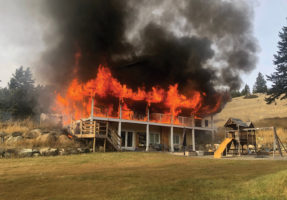
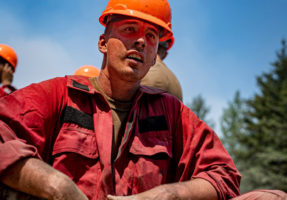
BC Wildfire Service photo

September 5, 2018 byPeter Mitham

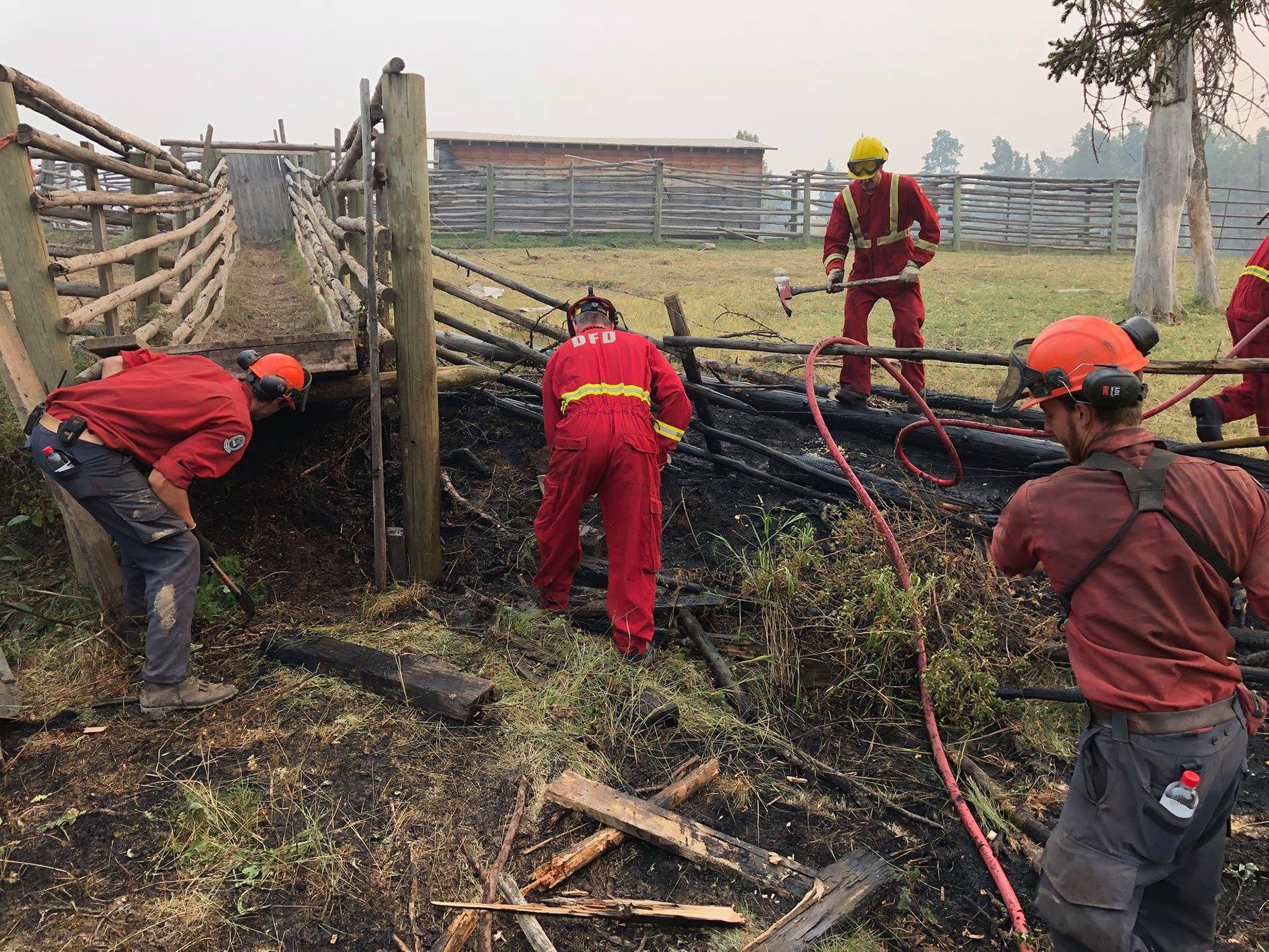
VICTORIA – Workshops aimed at fireproofing BC farms and ranches seem to be working despite record-breaking fire seasons this year and last.

Cattle operations have been the farms the hardest hit by wildfires over the past two years, thanks in large part to their dependence on Crown tenures and forage resources. Ranches and farms from Alkali Lake to Agassiz have been impacted, making the need to prepare for wildfire an issue not limited to the Interior.

“It’s a continuing battle to protect family farms and ranches,” BC agriculture minister Lana Popham told media during a conference call August 22. “One of the things that we learned last year, which has been critically important to our response, is for producers to be registered in our Premises ID program.”

The program allows them to re-enter into evacuation zones and tend to their livestock, and has been working successfully this year. It was not only encouraged during last year’s wildfire season, but in workshops the BC Cattlemen’s Association supported to help farmers prepare for future seasons.

“[BCCA general manager] Kevin Boon was just an absolute all-star last year and continues to be this year, so making sure that those lines of communication work very quickly is definitely part of a more efficient response,” Popham said.

However, with this year’s fires affecting different areas of the province than last year, she said the learning curve continues as new areas receive first-hand experience of dealing with wildfire.

The back-to-back seasons have been a literal trial by fire for provincial emergency management personnel, nearly 4,000 of which have been deployed to fight the fires.

Recommendations of the independent report the province commissioned into handling of the devastating 2017 wildfire season emphasized the need for greater communication between crews and locals, and a greater receptiveness to local knowledge. While figures like Reg Steward continue to be invaluable in operations centres, it was often a different story on the ground.

Christine Coletta and husband Steve Lornie operate Okanagan Crush Pad in Summerland and were among the vintners offering thanks to fire crews for their work battling the Mount Eneas blaze at the end of July.

The road to Okanagan Crush Pad’s vineyard in Garnet Valley was blocked for several days, but provincial emergency management crews allowed owners to access properties and assist with fire suppression.

“The local firefighters had knowledge of our land and what tools we had on hand that could help them mount a successful battle,” Coletta said. “If we had not been able to return to the property daily, we could not have managed the irrigation system which played a key role in soaking the perimeter of our land.”

The fire crews were also able to draw water from an irrigation pond at the vineyard to fight the fire.

A pass system the local fire department introduced midway through the blaze echoed troubles reported in various locations last year, however. Clear protocols and communications, a key recommendation in the review of last year’s fire season, didn’t seem to exist.

“It would have been good to have a system in place that everyone knew of in advance. Procedures seemed to change daily,” Coletta said.

She feels local government and citizens need to take wildfire preparedness as seriously as other forms of disaster, so that affected residents and businesses are more resilient during and after a disaster.

“Wildfires are our new reality,” she said. “Each town and region needs to really look at a solid wildfire plan and communicate that out to citizens in high-risk areas along the lines of what some cities do in the way of earthquake preparedness.”

Photo courtesy of BC Wildfire Service
 

Related Posts

You may be interested in these posts from the same category.

Wildfires rip through Southern Interior

Wildfire threat remains high

Ranchers facing rangeland losses

Ranchers face rangeland losses

Wildfire 2021: ‘They keep locals in the dark. That is really problematic.’

Don’t blame the wildfires

Wildfire state of emergency ends

Province announces wildfire recovery funds

Province pledges emergency funding

Record temps kill poultry

Wildfires spark emergency declaration

Livestock producers count losses

Previous Post: « Cariboo farm thrives with mentorship
Next Post: National park reserve consultations to resume »

Copyright © 2026 Country Life in BC · All Rights Reserved