• Menu
  • Skip to primary navigation
  • Skip to main content
  • Skip to primary sidebar

Country Life In BC Logo

The agricultural news source in British Columbia since 1915

  • Headlines
  • Calendar
  • Subscribe
  • Advertise
  • About
  • Archives
  • Contact
  • Search
  • Headlines
  • Calendar
  • Subscribe
  • Advertise
  • About
  • Archives
  • Contact
  • Search

Primary Sidebar

Originally published:

February 2019
Vol. 105 Issue 2

Subscribe Now!

Sign up for free weekly FARM NEWS UPDATES

Loading form…

Your information will not be
shared or sold ever

Stories In This Edition

Joy Ride!

Critics urge licence delay

ALR committee files report

Cannabis drives drop in Delta farm assessments

Editorial: Party and province

Back Forty: You can’t get apps on that

Viewpoint: Annual assessments a chance to take stock

Staff reorganization targets leaner fruit co-op

Preliminary hearing in high-profile poultry abuse

Growers pin hopes on Columbia River update

Survey keeps national park reserve in spotlight

Political engagement headlines dairy meeting

World milk prices take blame for shifting returns

Patience is a virtue

Ag Briefs: Sasaki appointed new head of chicken board

Ag Briefs: Ottawa invests in dairy sector

AB: Piece rates, taxes increase

AB: AITC focuses on growth

Capital Region considers compensation cuts

Letters: Protect farmland from cannabis production

Letters: Dog owners need to accept responsibility

Letters: The beef about climate change

Cadillac’ of aviaries will reduce labour costs

Berry growers face new import requirements

Open house reveals secrets of diagnostics lab

Cannabis propagation industry sprouting in BC

Sidebar: Deep roots

FCC targets women with new business program

Agreement sets stage for fish farm phase-out

Grazing, forage and water top list at town hall

Ranchers reassured regarding bovine TB cases

Digging into soil nutrition at education day

Microgreen grower attracts far-flung following

Science of cannabis takes centre stage

Blueberry growers hone use of box liners

Ostrich industry takes flight with big plans

Tunnels boost fruit quality, add to berry season

Big bucks being spent to protect bee health

Sidebar: Province boosts funding

Mystery bee disease studied

Direct-marketing opportunities have potential

Research: Preventing soft scald in apples

Regional food system is the new focus of group’s efforts

Wannabe: Growers deserve our love

Woodshed: A performance Kenneth can’t afford to miss

Jude’s Kitchen: Happy new year, my sweet Valentine

More Headlines

Follow us on Facebook

Comments Box SVG iconsUsed for the like, share, comment, and reaction icons

6 days ago

A BC Forest Practices Board investigation has found overgrazing has damaged grasslands in the Coutlee Range Unit near Merritt — and the range-use plan meant to prevent it was unenforceable. With complaints about overgrazing on the rise and grasslands covering just 1% of BC's land mass, the findings raise fresh questions about how the province manages one of its most vulnerable — and valuable — food-producing ecosyste#BCAg#BCAg ... See MoreSee Less

Link thumbnail

Board finds overgrazing rules unenforceable unmeasurable

www.countrylifeinbc.com

MERRITT – A BC Forest Practices Board investigation has found instances of non-compliance related to overgrazing have damaged open grasslands in the Mine pasture, part of the Coutlee Range Unit near...
View Comments
  • Likes: 6
  • Shares: 6
  • Comments: 6

Comment on Facebook

Several ranchers in recent years have gone into temporary non use on that range , so that means the grass should grow. But drought conditions/lack of rain and snow don’t allow that to happen . Dried up springs , creeks waterholes in various pastures add to over grazing where there is water , as livestock and everything else stay close to the water source . So even though less cattle are on it , over grazing appears. There is a large volume of horses on it 365 days/year which is wrong ! They pull grass right out of the ground when it’s just trying to grow ,, opens the door for weeds to grow in. That don’t help it. Aging infrastructure ( fences) laying on the ground, pipe line building , ( lack of commitment to fence maintenance) amongst all users contributes also to over grazing. Recreational atv users leaving gates open between pastures allows livestock to go back or ahead in pastures also expidites over grazing. Logging ( bcts) has no problem laying out cut locks on both sides of a fence , then it gets smashed down during logging and they don’t take responsibility to stand it back up or clean the cattle gaurds out when they are done , that happened 4 years ago on pasture 5 up there . I bet it is still not fixed . There are lots of contributing factors to the problem.

Tragedy of the commons.

I looked through the report. I saw nothing about the effects of noxious weeds on productive grasslands. This particular area is vulnerable because of the Ministry’a efforts to diversify the use of the Grasslands.

This pasture is under tremendous pressure not only from cattle but from irresponsible local residents who treat it as a landfill dumping all manner of household debris here. And don't even get me started on the mud bogging and camping in sensitive riparian areas. The feral horses are in this pasture 365 days a year just hammering it. Would sure be nice to see some enforcement action on people who are intentionally ripping up the grasslands and riparian areas. Cattle could be a valuable resource for rebuilding soils and native grasses in this area with the help of electric fencing and/or e-collars. The humans will be harder to manage.

The Forest and Range Practices Act was written by lawyers for global forest licencee shareholders. Results-based = unenforceable.

Also, can we talk about the impact of a pipeline being built through the middle of this field for multiple years?

View more comments

1 week ago

East Kootenay rancher Randy Reay is digging a new well after two natural water sources dried up on his Crown tenures. A new Living Lakes Canada assessment found 15% of mapped aquifers in the region are high-priority for monitoring, yet 80% of those go unmonitored. With over 48% of BC's provincial observation wells reporting below-normal groundwater levels, ranchers and researchers are sounding the alarm on water security. The story is in our March edition, and we've posted it to our website thi#BCAgk.

#BCAg
... See MoreSee Less

Link thumbnail

Water woes: groundwater under pressure across BC

www.countrylifeinbc.com

JAFFRAY – As a young boy growing up in the Kootenay-Boundary region, Randy Reay never expected to run out of water. But this year, in mid-February, his fields are bare. There is no snow halfway up t...
View Comments
  • Likes: 8
  • Shares: 7
  • Comments: 1

Comment on Facebook

Jaffrey is in the east Kootenays not kooteney boundary

2 weeks ago

BC farmers are bracing for prolonged higher input costs as war in the Middle East drives up fuel and fertilizer prices. Nitrogen fertilizer costs were already climbing before the Iran conflict began, with prices still roughly 60% above pre-pandemic levels. Farm Credit Canada warns that unlike 2022, strong commodity prices may not offset rising costs this time. Local suppliers expect supply challenges and further price increases ahead.

#BCAg
... See MoreSee Less

Link thumbnail

Fertilizer prices on the rise

www.countrylifeinbc.com

War in the Middle East has delivered a generational shock to energy prices, meaning BC farmers can expect a prolonged period of higher costs not just for fuel but also for fertilizer.
View Comments
  • Likes: 2
  • Shares: 1
  • Comments: 0

Comment on Facebook

2 weeks ago

... See MoreSee Less

View Comments
  • Likes: 1
  • Shares: 0
  • Comments: 0

Comment on Facebook

2 weeks ago

Cameron Stockdale is the new executive director of provincial farm safety organization AgSafeBC. Find out more in this week's Farm News Update from Country Life in B#BCAg#BCAg ... See MoreSee Less

Link thumbnail

New leadership at AgSafe BC

www.countrylifeinbc.com

Cameron Stockdale is the new executive director of provincial farm safety organization AgSafeBC, succeeding Wendy Bennett. Bennett left AgSafeBC in September 2025, following 12 years with the…
View Comments
  • Likes: 5
  • Shares: 1
  • Comments: 0

Comment on Facebook

Subscribe | Advertise

The agricultural news source in British Columbia since 1915
  • Email
  • Facebook

Critics urge licence delay

Province's retired water engineer weighs in

FILE PHOTO

January 29, 2019 //  by Cathy

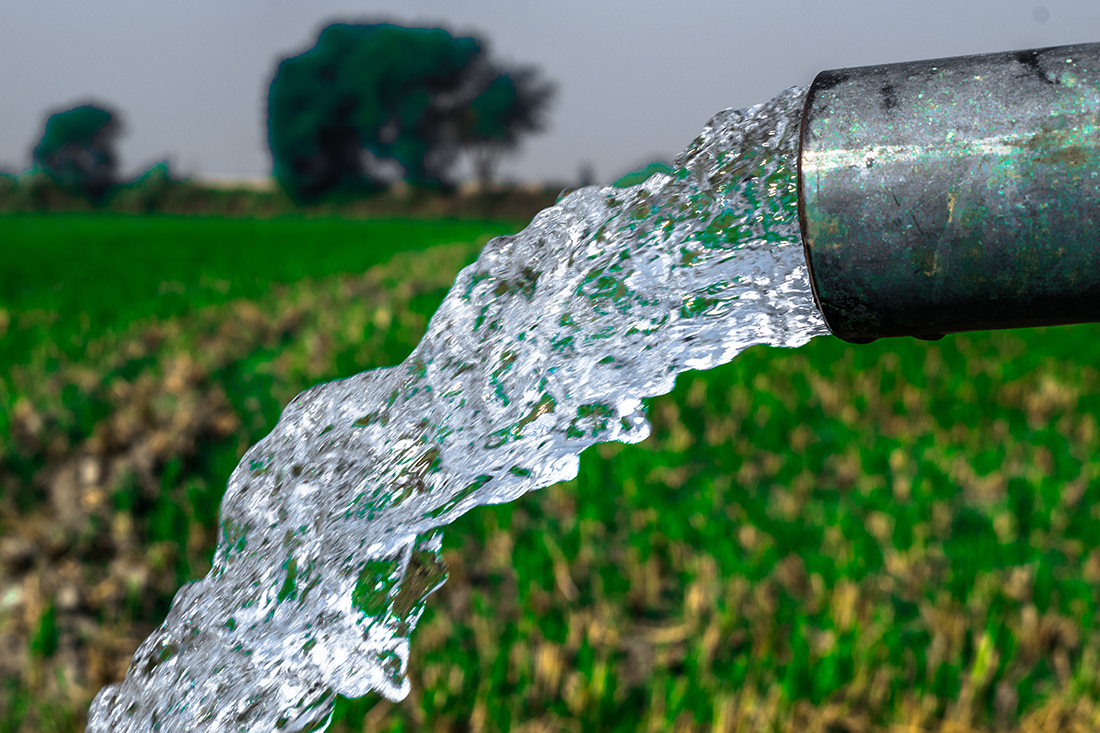
KELOWNA – The deadline for registering wells and obtaining groundwater licences, an initiative aimed at establishing priority for water rights in BC, is fast approaching.

But a growing chorus is calling on the province to postpone the deadline yet again due to ongoing issues getting everyone on board, not to mention challenges enforcing a regime in which fewer than 2% of potential licences have been granted.

“We would prefer to see an extended deadline paired with a stronger outreach and education program, while streamlining the application process and response times to bring in more licensees as legal groundwater users,” wrote Anna Warwick Sears, executive director of the Okanagan Basin Water Board, in a November letter to Doug Donaldson and George Heyman, the two provincial cabinet members whose ministries are overseeing the registration and licensing process.

She followed it two days later with another letter, asking the province to consider extending the deadline as late as February 29, 2024.

“We suggest that the government work to a target level of 80% compliance, potentially adding three to five years to the transition period, with retention of priority dates and continuing the waiver of the application fee for that period,” she said in the second letter.

However, the province rejected the request.

Now, it appears to be warming to the concerns of Ted van der Gulik, a retired senior engineer with the BC Ministry of Agriculture who now serves as president of the Partnership for Water Sustainability in BC. Van der Gulik is also a director of the Okanagan Basin Water Board, but recently wrote his own letter outlining all the problems of enforcement and administering fines when government staff can’t even handle the applications they’ve received to date.

The province expects to register 20,000 wells but has received just 3,082 applications since it began accepting applications under the Water Sustainability Act (WSA) in spring 2016. The province waived application fees on two occasions to encourage well registration and applications for groundwater licences, but troubles have dogged the process.

To date, 428 licences for groundwater have been granted. However, all owners must pay for water drawn from wells since February 29, 2016. Come March 1, any unlicensed extractions will make criminals of users who have been unable to obtain licences, unless the province extends the deadline.

The province now seems open to doing so, van der Gulik told a regular meeting of the board on January 9.

“The province said that they would take my information under advisement and see how many applications are received by March 1,” he told Country Life in BC after the meeting. “That doesn’t mean they are going to extend the deadline but it does open the door a bit.”

Van der Gulik notes that any wells that are not licensed by the end of February will be considered new well applications. In addition to paying an application fee, they’ll lose their seniority in the first-in-time/first-in-right hierarchy the WSA establishes. This can be both costly, and licences may even be denied.

“If you license your well before the deadline, it is grandfathered in,” explains van der Gulik. “And the province accepts that you have a right to use it as long as it is licensed.”

But any well constructed and registered since the WSA rules took effect in 2016 is considered a new well. Many of these new wells will require technical assessments before receiving a licence. A technical assessment considers the quantity of water being drawn, the type of aquifer and the potential impacts on existing rights holders and environmental flow needs.

Some assessments can be done on a computer in an office, but others will require a full range of technical studies, including site visits by a hydrologist and a pump test. These could run upwards of $30,000.

“Any well drilled on a property more than about five acres will need a full assessment done,” says van der Gulik.

Any well that’s been drilled but refused a licence following the assessment cannot be used. Owners that do will be drawing water illegally.

“I know of one new well applicant who had an assessment done and had his licensing application denied,” says van der Gulik. “He went to the expense of drilling, went through the proper channels and was told he could not operate the well. The province decreed that that well was tied to a sensitive stream with low flows.”

The same thing could happen to an owner of a existing well if they fail to apply in time.

“If you finally find out you are short of water and decide you want to get your licence, you are going to be out of luck. You won’t get a licence and you will be told to shut down because all of these people have prior rights.”

Van der Gulik believes a pre-approval process similar to what happens for surface water should exist for groundwater extractions. Works for streams are not allowed to be installed until owners secure a licence.

“Right now, a person constructing a new well can do so without any feedback from the province prior to the works starting. There should be some pre-approval process before a property owner goes to all that expense,” he says.

The various issues underscore the need for more time.

“We need more time,” says van der Gulik. “California took 15 years to license their wells. We are trying to do it in three.”
Related Posts

You may be interested in these posts from the same category.

Groundwater deadline firm

Groundwater users could lose rights next year

Grant funding for nutrient management projects

No extension for groundwater

Ranchers troubled by inconsistencies in well licensing

Dairy producers surveyed on regulation impact

Groundwater bill causes confusion for Island farmer

Ministry working on land use inventory

Slow drip on groundwater licences

Irrigation

Water fees questioned

Irrigation

Groundwater application deadline extended

BREAKING NEWS! Groundwater licencing deadline extended

Previous Post: « Staff reorganization targets leaner fruit co-op
Next Post: Strong attendance at Pacific Agriculture Show, CannaTech West »

Copyright © 2026 Country Life in BC · All Rights Reserved